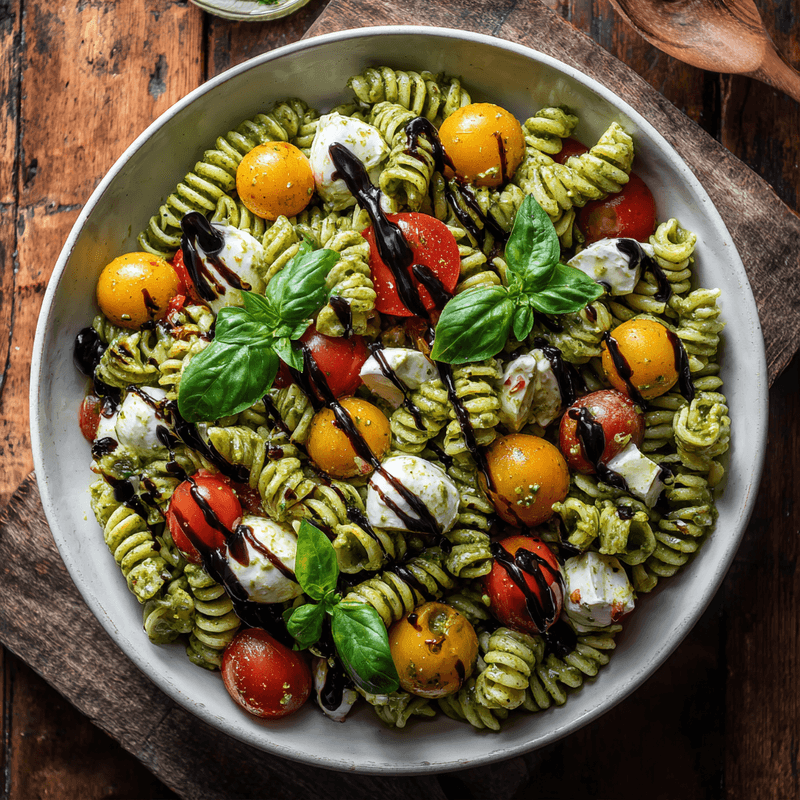
2 Ingredient Cottage Cheese Flatbread Recipe
This 2 ingredient cottage cheese flatbread is soft, protein-packed, and ready in 15 minutes! Perfect for wraps, pizza bases, and quick meals.
cookwithlucia.com/recipes/2-ingredient-cottage-cheese-flatbread
There's something almost magical about watching cottage cheese transform into a golden, pillowy flatbread right before your eyes. The first time I made this 2 ingredient cottage cheese flatbread, I was skeptical—how could something so simple create such incredible results? But as the batter hit the hot pan and began to bubble and set, releasing that warm, toasty aroma, I knew I'd stumbled onto something special. The texture is wonderfully soft yet sturdy enough to hold generous toppings, and the subtle tangy flavor pairs beautifully with both savory and sweet additions.
I discovered this recipe during one of those frantic weeknight moments when I realized I had no bread in the house and a family waiting for dinner. With just cottage cheese and flour in my pantry, I decided to experiment, and the result exceeded every expectation. My kids devoured these flatbreads faster than I could make them, and my husband declared them better than store-bought alternatives. What started as a desperate dinner solution has become one of my most-requested recipes, and I've since made countless batches for family gatherings and cozy weeknight meals.
This 2 ingredient cottage cheese flatbread is special because it delivers restaurant-quality results with minimal effort and maximum protein. Whether you're looking for a quick lunch wrap, a healthier pizza base, or a protein-packed breakfast option, this versatile flatbread adapts to whatever your appetite desires. In this post, I'll walk you through everything you need to know to master this simple yet impressive recipe, from ingredient selection to pro cooking tips that guarantee perfect results every single time. Let's dive into the delicious simplicity of cottage cheese flatbread together!

What is 2 Ingredient Cottage Cheese Flatbread?
Have you ever wished you could whip up fresh bread without the hassle of yeast, rising time, or a long ingredient list? That's exactly what 2 ingredient cottage cheese flatbread delivers—pure simplicity with surprisingly sophisticated results. This modern recipe has taken social media by storm, and for good reason. It combines the creamy richness of cottage cheese with the structure of flour to create soft, pliable flatbreads that rival anything you'd find at your favorite restaurant.
The beauty of this flatbread lies in its stunning simplicity. Unlike traditional flatbreads that require multiple ingredients and careful technique, this version strips everything down to the essentials. The cottage cheese provides moisture, protein, and a subtle tang that adds depth to every bite, while the flour gives structure and that satisfying chew we all crave in good bread. The result is a high-protein, lower-carb alternative to regular flatbread that tastes absolutely delicious and works for countless meal applications.
What makes this 2 ingredient cottage cheese flatbread truly special is its versatility—it works beautifully as wraps for your favorite fillings, transforms into personal-sized pizza bases, or serves as a simple side to soups and stews. Ready to discover how two humble ingredients can revolutionize your meal planning?
Why You'll Love This 2 Ingredient Cottage Cheese Flatbread
Ridiculously Simple to Make: With just two ingredients and about 15 minutes from start to finish, this recipe is perfect for busy weeknights when you need something wholesome and homemade without the fuss. There's no waiting for dough to rise, no complicated techniques to master—just mix, cook, and enjoy. Even complete beginners can achieve perfect results on their first try.
Packed with Protein: Each flatbread delivers a substantial protein boost thanks to the cottage cheese, making these perfect for post-workout meals or keeping you satisfied throughout busy days. With approximately 12 grams of protein per serving, you're getting nutrition that actually fuels your body while enjoying something that tastes like an indulgent treat.
Budget-Friendly Brilliance: When you're feeding a family, expensive specialty ingredients aren't always practical. This 2 ingredient cottage cheese flatbread costs just pennies per serving, yet delivers the satisfaction of artisan bread. You probably already have these ingredients in your kitchen, making this recipe an economical choice that doesn't compromise on flavor or quality.
Infinitely Customizable: The neutral base accepts any flavor profile you can imagine. Add herbs and spices directly into the batter, top with your favorite ingredients, or keep them plain for maximum versatility. From Mediterranean-inspired versions with za'atar to Indian-spiced variations with cumin, this flatbread adapts to whatever cuisine you're craving.
Perfect for Meal Prep: Make a batch on the weekend and store them in the refrigerator for quick lunches and dinners throughout the week. These flatbreads reheat beautifully and maintain their soft texture, making them ideal for anyone who likes to plan ahead. They're also freezer-friendly, so you can always have homemade flatbread at your fingertips.
Crowd-Pleasing Appeal: Unlike some healthy alternatives that taste like cardboard, this 2 ingredient cottage cheese flatbread actually tastes amazing. The texture is tender and satisfying, not rubbery or dense like some alternative breads. Even picky eaters who normally turn their noses up at cottage cheese won't detect it in the finished product—they'll just enjoy delicious, fresh-tasting flatbread that happens to be good for them. Ready to experience the simplest bread recipe you'll ever make?
Key Ingredients and What They Bring
The star ingredient in this recipe is cottage cheese, and choosing the right type makes all the difference. I prefer full-fat cottage cheese for the richest flavor and most tender texture, but low-fat versions work beautifully too if you're watching calories. The cottage cheese brings moisture, protein, and a subtle tang that adds complexity without being overtly cheesy. Its high moisture content helps create steam during cooking, which contributes to that wonderfully soft interior texture. When blended, the curds break down and distribute evenly throughout the batter, creating a smooth consistency that cooks into tender, pillowy flatbread.
The flour serves as the structural foundation that transforms wet cottage cheese into shapeable dough. All-purpose flour is my go-to choice because it provides just the right balance of protein and starch for optimal texture. The gluten in the flour develops just enough to give the flatbread structure and chew without becoming tough or chewy. You can experiment with whole wheat flour for added fiber and nuttiness, though you may need slightly less since whole wheat absorbs more moisture. The flour also helps create those beautiful golden-brown spots when the flatbread hits the hot pan, adding visual appeal and a subtle toasted flavor.
The ratio between these two ingredients is crucial for success. Too much cottage cheese and your flatbread will be wet and fall apart; too much flour and it becomes dense and heavy. The sweet spot creates a batter that's thick enough to hold together but still pourable, resulting in flatbreads that are tender yet sturdy enough to hold toppings. Some cooks like to add a pinch of salt to enhance the flavors, though the cottage cheese itself often contains enough sodium. A tiny bit of olive oil brushed on the pan isn't technically an ingredient in the flatbread itself, but it helps achieve those gorgeous caramelized spots and prevents sticking, so I always keep some nearby when making these.
How to Make 2 Ingredient Cottage Cheese Flatbread — Quick Overview
Making this 2 ingredient cottage cheese flatbread is wonderfully straightforward and happens in just a few simple stages. First, you'll blend the cottage cheese until it's completely smooth—no lumps remaining. This step is important because it creates an even texture throughout your flatbread rather than having pockets of curds. Then you'll gradually add the flour and mix until you achieve a thick, pancake-like batter that falls slowly from your spoon. The consistency should be thick enough to hold its shape somewhat but still pourable, not stiff like traditional bread dough.
Next comes the cooking stage, where the magic truly happens. You'll heat a non-stick skillet or griddle over medium heat and lightly grease it with a small amount of oil. Pour about a quarter cup of batter onto the hot surface and gently spread it into a circle about six inches in diameter. Watch as bubbles form on the surface after about two to three minutes—that's your signal to flip. The first side should be golden brown with darker caramelized spots that add incredible flavor. After flipping, cook for another two minutes until the second side matches the first in beautiful golden color.
The entire process from mixing to eating takes about 15 minutes for a full batch, making this 2 ingredient cottage cheese flatbread one of the fastest homemade bread options you'll ever encounter. Each flatbread cooks quickly, so you can serve them hot off the griddle or keep them warm in a low oven while you finish the batch. The aroma of toasted cottage cheese flatbread filling your kitchen is absolutely irresistible!
Top Tips for Perfecting 2 Ingredient Cottage Cheese Flatbread
Blend Until Completely Smooth: The smoothness of your cottage cheese directly impacts the texture of your finished flatbread. Take an extra minute to ensure there are absolutely no lumps remaining in your blended cottage cheese. I use a regular blender or immersion blender for this task, processing until the mixture looks like thick cream. If you skip this step, you'll end up with an uneven texture and potential weak spots in your flatbread that can tear easily.
Get the Batter Consistency Right: The perfect batter for 2 ingredient cottage cheese flatbread should resemble thick pancake batter—it should slowly drip from your spoon rather than pour quickly or sit in a solid mass. If your batter seems too thick, add a tablespoon of cottage cheese at a time until it loosens slightly. If it's too thin, incorporate more flour one tablespoon at a time. This consistency ensures flatbreads that are tender but sturdy enough to handle toppings.
Preheat Your Pan Properly: A properly heated pan is essential for achieving those beautiful golden-brown spots without burning. Heat your skillet over medium heat for at least three minutes before adding the first flatbread. Test the temperature by sprinkling a few drops of water on the surface—they should sizzle and evaporate within a couple of seconds. Too hot and your flatbreads will burn before cooking through; too cool and they'll turn out pale and dense.
Don't Overcrowd the Pan: Resist the temptation to cook multiple flatbreads simultaneously unless you have a very large griddle. Each flatbread needs space to spread slightly and room for you to flip it comfortably. Crowding leads to uneven cooking and makes flipping nearly impossible without tearing. I typically cook two at a time on my 12-inch griddle, but just one in a standard 10-inch skillet.
Watch for the Bubble Signal: Just like with pancakes, bubbles forming on the surface of your 2 ingredient cottage cheese flatbread indicate it's time to flip. These bubbles show that the bottom has set and browned while steam is escaping through the top. If you flip too early, the flatbread will be too wet and might fall apart; too late and the bottom could burn. Timing this correctly results in evenly cooked flatbreads with perfect texture on both sides.
Keep Them Warm and Soft: Stack finished flatbreads on a plate and cover them with a clean kitchen towel to keep them warm and prevent them from drying out. The trapped steam helps keep them soft and pliable, perfect for rolling into wraps. If you're making a large batch, you can keep them in a 200-degree oven wrapped in foil until you're ready to serve.
Season the Batter for Extra Flavor: While the basic two-ingredient version is delicious, adding seasonings directly to the batter takes these flatbreads to another level. Try stirring in garlic powder, dried herbs, or your favorite spice blend before cooking. A quarter teaspoon of salt enhances all the flavors, while a pinch of black pepper adds subtle warmth. These small additions don't compromise the simplicity but dramatically boost the flavor.
Use Quality Cottage Cheese: Since cottage cheese is half of this recipe, its quality significantly impacts the final result. Choose a brand with a creamy texture and pleasant flavor that you'd enjoy eating on its own. Avoid cottage cheese with gums or excessive additives that can affect texture. Full-fat cottage cheese creates the most tender, flavorful flatbreads, but reduced-fat versions work well too if you prefer a lighter option.
Variations and Flavor Twists
Transform your 2 ingredient cottage cheese flatbread into a savory herb version by adding two tablespoons of fresh chopped herbs like parsley, cilantro, or dill directly into the batter before cooking. The herbs infuse every bite with bright, fresh flavor that pairs beautifully with Mediterranean or Middle Eastern-style toppings. This variation works wonderfully for wrapping grilled vegetables or chicken, and the green flecks make the flatbreads visually appealing too.
For a warming spiced version, stir one teaspoon of cumin, half a teaspoon of coriander, and a quarter teaspoon of turmeric into your batter. This creates flatbreads with an aromatic, slightly exotic flavor profile that complements curries, roasted meats, and yogurt-based dips perfectly. The golden color from the turmeric also makes them particularly beautiful, and the warm spices add depth without overwhelming the mild cottage cheese base.
Create a cheesy version by mixing in half a cup of shredded cheese—whatever variety you prefer—into the batter along with the flour. This makes the flatbreads even more indulgent and gives them a gorgeous melty quality when served warm. The added cheese creates more browning on the exterior too, resulting in extra crispy edges that contrast beautifully with the soft interior. This variation works especially well when using the flatbreads as pizza bases.
Make a whole grain version by substituting half of the all-purpose flour with whole wheat flour or oat flour. This boosts the fiber content and adds a nutty, hearty flavor that makes the flatbreads more substantial. The texture becomes slightly denser but still remains tender and delicious. This variation is perfect for anyone looking to increase whole grains in their diet without sacrificing the convenience of this quick recipe.
For a garlic lover's dream, blend two roasted garlic cloves directly into the cottage cheese before adding flour, or stir in half a teaspoon of garlic powder. The garlic flavor permeates every bite of the 2 ingredient cottage cheese flatbread, making them irresistible for serving alongside soups, using as a base for garlic flatbread, or wrapping around your favorite proteins. A sprinkle of dried parsley in the batter enhances the garlic flavor even more and adds visual interest with green specks throughout.
What to Serve with 2 Ingredient Cottage Cheese Flatbread
These versatile flatbreads pair beautifully with creamy hummus and fresh vegetable sticks for a light, protein-packed lunch that keeps you satisfied for hours. The mild tang of the cottage cheese flatbread complements the earthy richness of hummus perfectly, while the vegetables add satisfying crunch. This combination works wonderfully for meal prep—pack the components separately and assemble when you're ready to eat.
Transform your 2 ingredient cottage cheese flatbread into a complete meal by topping it with seasoned ground beef or chicken, shredded lettuce, diced tomatoes, and a drizzle of tahini sauce. The sturdy yet tender flatbread holds all these toppings without falling apart, creating a satisfying wrap that's reminiscent of your favorite takeout but infinitely healthier and more budget-friendly. Add some pickled vegetables for tang and crunch that cuts through the richness.
Serve these flatbreads alongside a hearty vegetable soup or stew for the ultimate comfort meal. The soft, slightly chewy texture is perfect for dipping into warm broths, and the protein in the flatbread makes the meal more substantial. This pairing is ideal for cozy evenings when you want something nourishing and satisfying without spending hours in the kitchen. The flatbreads soak up every drop of flavorful liquid without becoming soggy.
Create a breakfast feast by spreading the warm flatbreads with creamy labneh or Greek yogurt, then topping with sliced cucumbers, tomatoes, olives, and a drizzle of olive oil. This Mediterranean-inspired combination is refreshing, protein-rich, and absolutely delicious. The cool, creamy toppings contrast beautifully with the warm flatbread, and the combination of textures and flavors will have you looking forward to breakfast all morning.
For a simple yet elegant presentation, serve your cottage cheese flatbread alongside grilled kebabs and a fresh salad. The flatbreads work like pita, perfect for wrapping around the grilled meat and vegetables or using to scoop up every last bit of dressing from your salad bowl. Add a side of cooling cucumber yogurt sauce to complete the meal and provide a refreshing contrast to the warm, toasty flatbreads.
Storing and Reheating Tips
Store your cooled 2 ingredient cottage cheese flatbread in an airtight container or resealable plastic bag in the refrigerator for up to five days. Place a piece of parchment paper between each flatbread to prevent them from sticking together, making it easy to grab just one or two when you need them. The airtight storage keeps them soft and prevents them from drying out or absorbing other flavors from your refrigerator. I like to make a double batch on the weekend so I have quick lunch options ready throughout the week.
For longer storage, these flatbreads freeze exceptionally well for up to three months. Wrap each flatbread individually in plastic wrap, then place them all in a freezer-safe bag with as much air pressed out as possible. This double-layer protection prevents freezer burn and maintains the texture beautifully. When you're ready to use them, thaw in the refrigerator overnight or at room temperature for about 30 minutes. You can also reheat them directly from frozen, though they'll need an extra minute or two.
The best reheating method for maintaining that fresh-from-the-griddle texture is a quick session in a dry skillet over medium heat. Warm each flatbread for about 30 seconds per side until heated through and slightly toasted. This method revives the exterior crispness while keeping the interior tender and soft. Avoid adding oil during reheating unless you want extra crispiness—the flatbreads usually have enough residual moisture to prevent sticking.
If you're in a hurry, the microwave works well for reheating your cottage cheese flatbread, though the texture will be softer rather than crispy. Wrap the flatbread in a damp paper towel and microwave for 15 to 20 seconds until warm. The damp towel creates steam that keeps the flatbread from drying out. This method is perfect when you're using the flatbread for wraps where you want maximum flexibility.
For reheating multiple flatbreads at once, wrap them in foil and warm in a 300-degree oven for about 10 minutes until heated through. This gentle method keeps them soft and pliable, perfect for serving a crowd. You can also wrap them in a damp kitchen towel and warm them in the microwave for 30 to 45 seconds if you're reheating a stack. The key to maintaining the wonderful texture of 2 ingredient cottage cheese flatbread is avoiding high heat and preventing moisture loss during storage and reheating.
Frequently Asked Questions
Can I make 2 ingredient cottage cheese flatbread ahead of time?
Absolutely! This recipe is perfect for meal prep and actually holds up beautifully when made in advance. Cook your flatbreads as directed, allow them to cool completely, then store them in an airtight container in the refrigerator for up to five days. They reheat wonderfully in a skillet, microwave, or oven, making them ideal for quick weekday meals when you don't have time to cook from scratch.
What can I substitute for all-purpose flour in this recipe?
You have several options depending on your dietary needs and preferences. Whole wheat flour works well and adds extra fiber, though you may need slightly less since it absorbs more moisture. For a gluten-free version, try using a gluten-free all-purpose flour blend that contains xanthan gum for structure. Oat flour creates a slightly denser, nuttier flatbread that's still delicious. Experiment with the liquid-to-flour ratio as different flours absorb moisture differently.
Why is my flatbread batter too thick or too thin?
The moisture content in cottage cheese varies significantly between brands, which affects your batter consistency. If your batter is too thick and difficult to spread, add cottage cheese one tablespoon at a time until you reach a thick but pourable consistency similar to pancake batter. If it's too thin and spreads too much in the pan, incorporate additional flour one tablespoon at a time until it thickens. The perfect consistency should slowly drip from your spoon rather than run off quickly.
Can I taste the cottage cheese in the finished flatbread?
Surprisingly, you cannot taste cottage cheese distinctly in the finished product! The blending process and cooking transform the cottage cheese into a neutral, slightly tangy base that adds moisture and protein without an obvious cheesy flavor. Even people who dislike cottage cheese in its original form typically love these flatbreads. The subtle tang enhances the overall flavor profile without being identifiable as cottage cheese.
How do I know when the flatbread is done cooking?
Watch for visual cues that tell you exactly when to flip and when your 2 ingredient cottage cheese flatbread is finished. The first side is ready to flip when bubbles form on the surface and the edges look set and slightly dry, usually after about two to three minutes. After flipping, cook until the second side develops golden-brown spots matching the first side, another two minutes. The flatbread should feel firm to the touch and spring back slightly when pressed gently.
Can I double or halve this recipe easily?
This recipe scales beautifully in either direction, making it perfect whether you're cooking for one or feeding a crowd. Simply multiply or divide all ingredients by the same factor, maintaining the ratio between cottage cheese and flour. Keep in mind that blending smaller quantities can be tricky in a regular blender, so you might need to use an immersion blender or mix by hand if you're making a half batch. For larger batches, consider using a griddle to cook multiple flatbreads simultaneously and speed up the process significantly.
2 Ingredient Cottage Cheese Flatbread
Simple, protein-packed flatbread made with just cottage cheese and flour. Perfect for wraps, pizza bases, or serving alongside your favorite meals.
Prep Time
5 min
Cook Time
10 min
Total Time
15 min
Servings
4 flatbreads
Ingredients
For 4 flatbreads
- 1 cup full-fat cottage cheese
- 1 cup all-purpose flour
- 1 teaspoon olive oil, for cooking
- Pinch of salt (optional)
Instructions
- 1
Blend cottage cheese
Add the cottage cheese to a blender or use an immersion blender in a deep bowl. Blend on high speed for 30 to 45 seconds until the cottage cheese is completely smooth with no lumps remaining. The mixture should look like thick cream with a uniform consistency throughout.
- 2
Add flour gradually
Transfer the blended cottage cheese to a mixing bowl if you used a regular blender. Gradually add the flour, stirring continuously with a spatula or wooden spoon. Mix until you achieve a thick batter that resembles pancake batter—it should slowly drip from your spoon rather than pour quickly.
- 3
Rest the batter
Let the batter rest for 2 to 3 minutes at room temperature. This allows the flour to fully hydrate and makes the batter easier to work with. If the batter seems too thick after resting, add a tablespoon of cottage cheese; if too thin, add a tablespoon of flour.
- 4
Preheat the pan
Heat a non-stick skillet or griddle over medium heat for 3 to 4 minutes until properly heated. Test the temperature by sprinkling a few drops of water on the surface—they should sizzle and evaporate within a couple of seconds. Lightly brush the pan with olive oil.
- 5
Pour the batter
Pour about 1/4 cup of batter onto the heated pan for each flatbread. Use the back of your spoon or ladle to gently spread the batter into a circle about 6 inches in diameter. Don't worry if it's not perfectly round—rustic shapes are part of the charm.
- 6
Cook first side
Cook the flatbread for 2 to 3 minutes without moving it, allowing the bottom to develop golden-brown spots. Watch for bubbles to form on the surface and the edges to look set and slightly dry. These visual cues indicate the flatbread is ready to flip.
- 7
Flip and finish cooking
Using a wide spatula, carefully flip the flatbread over. Cook for an additional 2 minutes on the second side until it develops matching golden-brown spots and feels firm to the touch. The flatbread should spring back slightly when pressed gently in the center.
- 8
Keep warm and repeat
Transfer the cooked flatbread to a plate and cover with a clean kitchen towel to keep warm and maintain softness. The trapped steam helps keep the flatbreads pliable. Repeat the cooking process with the remaining batter, lightly oiling the pan between batches as needed.
- 9
Serve immediately
Serve the flatbreads warm for the best texture and flavor. Use them immediately as wraps, pizza bases, or alongside your favorite dishes. If not serving right away, keep them covered to prevent drying out, or store according to the storage instructions for later use.
Nutrition Facts
Per serving (estimated)
180 calories
Calories
26g
Carbs
12g
Protein
3g
Fat
1g
Fiber
290mg
Sodium
3g
Sugar