19 Easy High-Protein Meals That Keep You Full All Day
Discover 19 easy high-protein meals packed with flavor and nutrition. Simple recipes that satisfy hunger, boost energy, and fuel your busy lifestyle.
cookwithlucia.com/recipes/19-easy-high-protein-meals-that-keep-you-full-all-day
There's something magical about sitting down to a meal that not only tastes incredible but also keeps you energized and satisfied for hours. I'll never forget the afternoon I hit that dreaded 3 PM slump at my desk, feeling like I could devour an entire pantry despite eating lunch just two hours earlier. That's when I realized my meals were missing something crucial: protein. Since then, I've transformed my approach to cooking, and these 19 easy high-protein meals have become my secret weapons against constant hunger and energy crashes. They've turned my kitchen into a powerhouse of nutritious, delicious dishes that my family actually gets excited about.
What I love most about high-protein meals is how they work with your body, not against it. Protein takes longer to digest than simple carbohydrates, which means you stay fuller longer and avoid those frustrating hunger pangs that derail your day. But here's the thing: eating high-protein doesn't mean sacrificing flavor or spending hours in the kitchen. Each of these 19 easy high-protein meals comes together quickly, uses ingredients you can find at any grocery store, and delivers on taste just as much as nutrition. Whether you're meal prepping for a busy week, feeding a hungry family, or simply looking to feel your best, these recipes will revolutionize your relationship with food.
In this comprehensive guide, I'll walk you through everything you need to know about creating satisfying high-protein meals. We'll explore what makes these dishes so effective, dive into ingredient insights, share expert cooking tips, and of course, give you plenty of delicious variations to keep things exciting. Ready to discover meals that truly fuel your day? Let's get cooking!
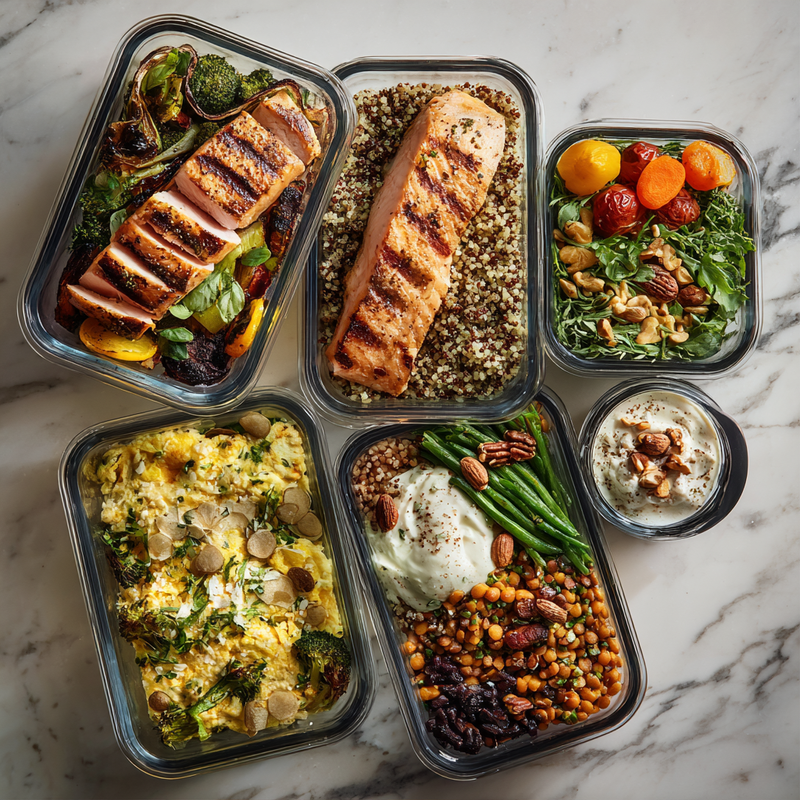
What Are High-Protein Meals?
Have you ever wondered why some meals leave you satisfied for hours while others have you rummaging through the kitchen an hour later? The answer usually lies in the protein content. High-protein meals are dishes strategically designed to include substantial amounts of protein from sources like chicken, beef, fish, eggs, legumes, dairy, and plant-based alternatives. These meals typically contain at least 20-30 grams of protein per serving, though many of the recipes I'm sharing today pack even more.
The beauty of high-protein meals extends far beyond simple nutrition labels. Protein is the building block your body uses for everything from muscle repair to hormone production, immune function to healthy hair and nails. When you center your meals around quality protein sources, you're giving your body the tools it needs to thrive. These meals often combine protein with complex carbohydrates, healthy fats, and plenty of vegetables, creating balanced plates that support sustained energy levels throughout your day. The result? You feel satisfied, focused, and ready to tackle whatever comes your way, without that uncomfortable stuffed feeling or the dreaded energy crash that follows heavy, carb-loaded meals.
Why You'll Love These High-Protein Meals
They Keep Hunger at Bay for Hours The most remarkable benefit of high-protein meals is how they satisfy your appetite in a way that other foods simply can't match. Protein triggers the release of hormones that signal fullness to your brain, while also slowing down digestion to provide steady, sustained energy. I've found that when I start my day with one of these high-protein meals, I'm not constantly thinking about my next snack or fighting cravings mid-morning.
Simple Preparation for Busy Lives Despite what you might think, high-protein meals don't require culinary school training or exotic ingredients. These 19 easy high-protein meals use straightforward techniques and accessible ingredients that you probably already have in your pantry. Most recipes come together in 30 minutes or less, making them perfect for weeknight dinners when time is tight but nutrition can't be compromised.
Budget-Friendly Without Sacrificing Quality Eating well doesn't mean breaking the bank. Many protein sources, like eggs, canned fish, legumes, and chicken thighs, are incredibly affordable. By planning your meals around these economical proteins and complementing them with seasonal vegetables and pantry staples, you can create restaurant-quality dishes at a fraction of the cost.
Incredibly Versatile and Customizable Every single one of these high-protein meals serves as a template you can adapt to your preferences, dietary needs, and what's available in your kitchen. Prefer spicier food? Add more heat. Need to avoid dairy? Swap it out. Want more vegetables? Load them up. This flexibility means you'll never get bored.
Perfect for Meal Prep and Leftovers Unlike some dishes that lose their appeal after sitting in the refrigerator, high-protein meals often taste even better the next day as flavors meld together. They reheat beautifully and maintain their texture, making them ideal for batch cooking on the weekend and enjoying throughout the week.
Supports Your Health Goals Whether you're looking to build muscle, maintain a healthy weight, or simply feel more energized, these high-protein meals align with virtually any wellness objective. They provide the nutrients your body needs to function optimally while keeping you satisfied enough to avoid less nutritious snacking.
Key Ingredients and What They Bring
When building high-protein meals, understanding your ingredients transforms cooking from following instructions to creating nourishing masterpieces. Let's explore the powerhouse ingredients that make these dishes so effective.
Chicken breast and thighs serve as versatile protein foundations in many of these meals. Chicken breast offers lean protein with a mild flavor that absorbs marinades beautifully, while thighs bring richer taste and stay incredibly moist during cooking. Both provide about 25-30 grams of protein per 4-ounce serving, making them excellent choices for keeping you full.
Eggs are the unsung heroes of high-protein cooking. One large egg contains roughly 6 grams of protein along with essential vitamins and minerals. Their versatility is unmatched—scramble them, poach them, hard-boil them, or use them to bind ingredients together. I always keep a dozen eggs in my refrigerator because they're the fastest path to a satisfying meal.
Ground beef and turkey appear frequently in these recipes because they cook quickly and pair well with countless flavor profiles. Choose leaner options for lower fat content, or embrace slightly higher fat versions for more flavor and moisture. Either way, you're looking at 20-25 grams of protein per serving, plus important nutrients like iron and B vitamins.
Fish and seafood, particularly salmon, tuna, and shrimp, bring protein along with omega-3 fatty acids that support heart and brain health. A salmon fillet delivers around 25 grams of protein and cooks in under 15 minutes, making it perfect for those nights when you need something nutritious fast.
Greek yogurt and cottage cheese are dairy superstars in the high-protein world. Greek yogurt packs nearly double the protein of regular yogurt, with some brands offering 15-20 grams per cup. It works beautifully in both sweet and savory applications, from breakfast bowls to creamy sauces. Cottage cheese brings similar protein levels and a mild flavor that complements everything from fresh fruit to spicy dishes.
Legumes including lentils, chickpeas, and black beans provide plant-based protein along with fiber that further enhances satiety. While they contain less protein per serving than animal sources, they're incredibly affordable, shelf-stable, and packed with additional nutrients. A cup of cooked lentils offers about 18 grams of protein plus folate, iron, and potassium.
Nuts, seeds, and nut butters round out our protein sources while adding healthy fats and satisfying crunch. Almonds, pumpkin seeds, and natural peanut butter can boost the protein content of any meal while contributing vitamin E, magnesium, and heart-healthy fats. A quarter cup of almonds adds 8 grams of protein along with wonderful texture.
How to Make High-Protein Meals — Quick Overview
Creating satisfying high-protein meals is simpler than you might imagine, and once you understand the basic framework, you'll be improvising your own variations in no time. The foundation starts with selecting your protein source based on what sounds appealing and what fits your schedule. Quick-cooking proteins like eggs, shrimp, or thin-cut chicken breasts work beautifully for weeknight meals, while heartier options like roasted chicken thighs or slow-cooked beef suit weekend cooking when you have more time.
The cooking process for most high-protein meals follows a similar rhythm. You'll typically start by preparing your protein using methods like searing, baking, or sautéing to develop rich, caramelized flavors. While your protein cooks, you can prepare complementary ingredients like chopping vegetables, cooking grains, or whisking together a flavorful sauce. The beauty of these meals lies in their efficiency—many components cook simultaneously, bringing everything together in about 30 minutes from start to finish.
Seasoning makes the difference between ordinary and extraordinary high-protein meals. Fresh herbs, aromatic spices, citrus zest, and savory condiments transform simple proteins into restaurant-worthy dishes. I've learned that proper seasoning at each stage of cooking, rather than just at the end, builds layers of flavor that make every bite exciting. The final assembly brings all elements together on your plate, creating balanced, beautiful meals that nourish your body while delighting your taste buds.
Top Tips for Perfecting High-Protein Meals
Mastering high-protein meals requires understanding a few key techniques that ensure your proteins cook perfectly every time. First, always bring your protein to room temperature before cooking. Taking chicken, beef, or fish out of the refrigerator 15-20 minutes before cooking ensures even heat distribution and prevents the exterior from overcooking while the center remains cold. This simple step has transformed the texture of my proteins from occasionally dry and tough to consistently tender and juicy.
Invest in a reliable meat thermometer to eliminate guesswork. Chicken should reach 165°F, ground meats 160°F, and fish around 145°F. Cooking to precise temperatures rather than relying on time alone prevents both undercooking and the more common mistake of overcooking, which dries out proteins and makes them less enjoyable. I check temperatures in the thickest part of the protein, being careful not to touch bone which conducts heat differently than meat.
Don't skip the resting period after cooking proteins. When you remove chicken, beef, or fish from heat, let it rest for 5-10 minutes before slicing. This allows juices to redistribute throughout the meat instead of spilling out onto your cutting board. The result is noticeably more flavorful, moist protein that makes your high-protein meals significantly more satisfying.
Season generously and in layers throughout the cooking process. Salt your proteins before cooking to enhance their natural flavors, add aromatics and spices during cooking to build complexity, and finish with fresh herbs or a squeeze of citrus to brighten everything up. Many home cooks underseason their food, resulting in bland proteins that need heavy sauces to taste good. Proper seasoning means your proteins shine on their own.
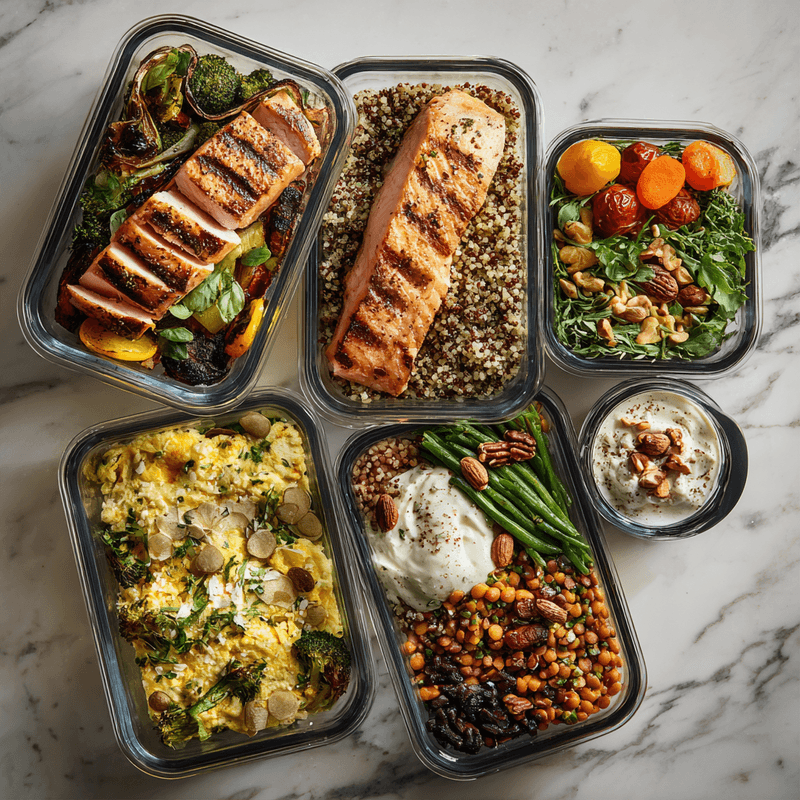
Batch cook proteins at the beginning of the week to make high-protein meals even easier. Grill several chicken breasts, hard-boil a dozen eggs, or cook a large pot of lentils on the weekend. Store them properly in the refrigerator, and you'll have ready-to-use protein components that transform into complete meals in minutes. This strategy has saved me countless times when I'm exhausted after a long day but still want something nutritious.
Experiment with different cooking methods to keep high-protein meals interesting. Grilling adds smoky char, roasting concentrates flavors and creates crispy edges, poaching keeps proteins incredibly moist, and stir-frying delivers quick results with vegetables included. Each method brings different textures and tastes to the same basic ingredients, preventing boredom and expanding your cooking repertoire.
Pay attention to complementary ingredients that boost both nutrition and satisfaction. Pairing proteins with fiber-rich vegetables and complex carbohydrates creates the most filling meals. I've found that adding a variety of colorful vegetables not only improves the nutritional profile but also makes high-protein meals more visually appealing and texturally interesting.
Variations and Flavor Twists
The versatility of high-protein meals means you can adapt them endlessly to suit your mood, the season, or what's in your kitchen. One of my favorite variations involves taking any chicken-based recipe and swapping in firm white fish like cod or halibut. The cooking time decreases slightly, but you'll enjoy a lighter meal with the same protein benefits and a delicate flavor that pairs beautifully with citrus and fresh herbs.
For plant-based variations, substitute animal proteins with hearty alternatives like tempeh, extra-firm tofu, or seitan. Press tofu thoroughly to remove excess moisture, then marinate it just as you would chicken. It absorbs flavors wonderfully and provides about 10 grams of protein per half-cup serving. Combining plant proteins with whole grains creates complete amino acid profiles that rival animal-based options.
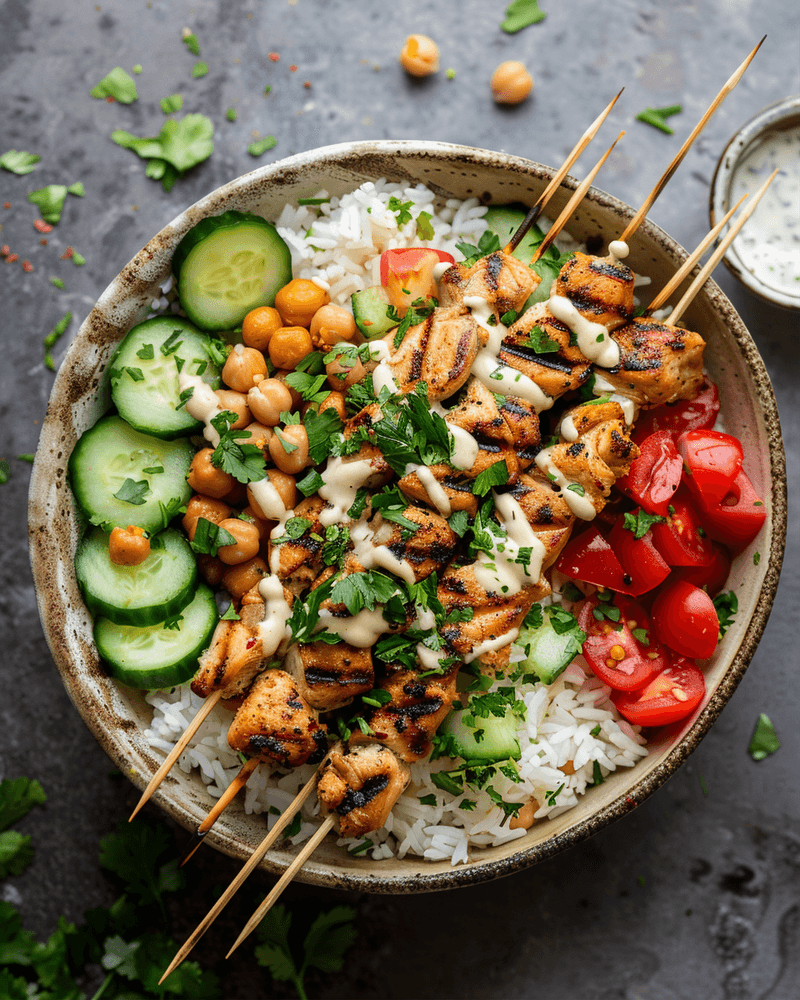
Transform the flavor profile of any high-protein meal by changing your spice blend and sauce. A simple grilled chicken breast becomes Mediterranean with oregano, lemon, and olive oil; transforms into an Asian-inspired dish with ginger, garlic, and sesame; or takes on Middle Eastern character with cumin, coriander, and tahini sauce. The protein stays the same, but the entire eating experience changes completely.
Adjust the heat level to match your preferences by incorporating different types of peppers and spicy condiments. Add cayenne pepper or red pepper flakes for straightforward heat, use fresh jalapeños for bright spiciness, or incorporate harissa or spicy mustard for complex, layered warmth. Start with small amounts and adjust gradually—you can always add more heat, but you can't take it away.
Create breakfast versions of typically dinner-focused high-protein meals by incorporating eggs or serving smaller portions alongside traditional breakfast items. That spiced ground beef mixture becomes a fantastic breakfast scramble when combined with eggs and vegetables. Leftover grilled chicken transforms into a protein-packed morning meal when sliced over Greek yogurt with fresh fruit and nuts.
What to Serve with High-Protein Meals
Complementing your high-protein meals with the right sides turns good nutrition into complete, satisfying dining experiences. Roasted vegetables are my go-to accompaniment because they're simple to prepare, incredibly flavorful, and packed with fiber that enhances the satiety factor of your meal. Toss Brussels sprouts, carrots, bell peppers, or zucchini with olive oil and your favorite seasonings, then roast them until caramelized and tender.
Whole grains like quinoa, brown rice, farro, or bulgur provide complex carbohydrates that give you sustained energy without the crash of refined grains. These grains also contribute additional protein—quinoa offers about 8 grams per cooked cup—while adding pleasant nutty flavors and satisfying textures that complement tender proteins beautifully.
Fresh, crisp salads provide textural contrast to warm, savory proteins while adding vitamins, minerals, and hydration to your plate. I particularly love combining mixed greens with crunchy vegetables like cucumbers and radishes, then dressing them simply with olive oil and lemon juice. The brightness cuts through rich proteins and cleanses your palate between bites.
Creamy, protein-rich sides like hummus, Greek yogurt-based dips, or tahini sauce add extra nutrition while bringing moisture and flavor to your plate. These sides work especially well with drier cooking methods like grilling or baking, adding richness without heavy cream or butter.
Steamed or sautéed greens such as spinach, kale, or Swiss chard cook quickly and provide iron, calcium, and folate alongside your protein. A quick sauté with garlic and olive oil takes just minutes and creates a nutritious, delicious side that pairs with virtually any high-protein meal.
For beverages, consider unsweetened iced tea, sparkling water with fresh citrus, or herbal infusions that complement your meal without adding empty calories. These refreshing drinks cleanse your palate and help with digestion, especially after protein-rich meals.
Storing and Reheating Tips
Proper storage ensures your high-protein meals maintain their quality, flavor, and food safety throughout the week. Always allow cooked proteins to cool to room temperature before refrigerating, but don't leave them out for more than two hours to prevent bacterial growth. Store your high-protein meals in airtight containers, separating components when possible—keep sauces separate from proteins and grains to prevent sogginess, and store fresh greens separately to maintain their crispness.
Most cooked proteins stay fresh in the refrigerator for 3-4 days when stored properly. Chicken, beef, fish, and egg-based dishes should be kept at 40°F or below and positioned on shelves rather than in the door where temperatures fluctuate. I label my containers with preparation dates so I always know exactly how long something has been stored and can prioritize eating older items first.
For longer storage, freezing is your friend with most high-protein meals. Cooked chicken, beef, and legume-based dishes freeze beautifully for up to 3 months. Cool them completely, portion them into meal-sized containers, and remove as much air as possible before sealing. Fish and seafood have slightly shorter freezer lives, staying best quality for about 2 months. Avoid freezing egg-based dishes and dairy-heavy meals as they often develop unpleasant textures when thawed.
Reheating methods dramatically impact the quality of your high-protein meals. For best results, reheat in the oven at 350°F until warmed through, which helps maintain texture better than microwaving. If using a microwave, add a tablespoon of water or broth to the container, cover it loosely, and heat in 30-second intervals, stirring between each to ensure even warming. Stovetop reheating works wonderfully for skillet-based meals and stir-fries—add a splash of broth or water to prevent sticking and heat over medium until steaming.
Revive the texture of reheated proteins by finishing them briefly under the broiler or in a hot skillet. This quick step restores some of the exterior crispness lost during storage and makes leftovers taste freshly prepared. I often add fresh herbs, a squeeze of citrus, or a drizzle of high-quality olive oil to reheated high-protein meals to brighten flavors and make them taste as vibrant as when first cooked.
Frequently Asked Questions
Can I make high-protein meals ahead of time for the entire week?
Absolutely! Meal prepping high-protein meals is one of the smartest strategies for maintaining healthy eating habits throughout busy weeks. Cook your proteins and sides on the weekend, portion them into individual containers, and store them in the refrigerator for easy grab-and-go meals. Most high-protein meals actually develop deeper flavors after a day or two in the refrigerator as seasonings meld together, making them perfect for advance preparation.
What if I don't eat meat—can I still create high-protein meals?
Plant-based high-protein meals are absolutely achievable and delicious! Focus on combining complementary proteins like beans with rice, lentils with quinoa, or hummus with whole grain pita. Incorporate tofu, tempeh, edamame, Greek yogurt, cottage cheese, eggs, nuts, seeds, and protein-rich grains like quinoa and amaranth. You may need to be slightly more intentional about combining foods to create complete proteins, but it's entirely possible to meet your protein needs without meat.
How can I make high-protein meals more affordable?
The secret to budget-friendly high-protein meals lies in choosing economical protein sources and shopping strategically. Eggs, canned fish, chicken thighs, ground turkey, dried beans, and lentils offer excellent protein at low prices. Buy proteins in bulk when they're on sale and freeze portions for later use. Planning your meals around what's on sale each week and utilizing every part of ingredients reduces waste and stretches your grocery budget significantly.
How do I know if I'm getting enough protein in my meals?
A good rule of thumb is to include a palm-sized portion of protein at each meal, which typically provides 20-30 grams depending on the source. Most adults need roughly 0.8 grams of protein per kilogram of body weight daily, though active individuals may need more. Reading nutrition labels, using a food tracking app occasionally to gauge your intake, or consulting with a healthcare provider can help you determine if your high-protein meals are meeting your individual needs.
Can high-protein meals help with weight management?
High-protein meals support weight management in several ways. Protein increases satiety and reduces overall hunger, making it easier to consume fewer calories without feeling deprived. It also has a higher thermic effect than carbohydrates or fats, meaning your body burns more calories digesting protein. Additionally, adequate protein intake helps preserve muscle mass during weight loss, keeping your metabolism strong. Combined with balanced portions and regular physical activity, high-protein meals can be valuable tools for achieving and maintaining a healthy weight.
What's the best way to add more flavor to high-protein meals without adding lots of calories?
Flavor doesn't have to come from butter, cream, or heavy sauces. Fresh herbs, citrus juice and zest, aromatic spices, garlic, ginger, vinegars, and small amounts of intensely flavored ingredients like olives or sun-dried tomatoes pack tremendous flavor with minimal calories. Marinating proteins before cooking, using cooking methods like roasting and grilling that develop caramelization, and finishing dishes with a sprinkle of flaky salt or fresh herbs elevates high-protein meals without compromising your nutritional goals. Experimenting with global spice blends opens up endless flavor possibilities that keep your meals exciting and satisfying.
19 Easy High-Protein Meals Collection
A comprehensive collection of 19 easy, delicious high-protein meals designed to keep you satisfied and energized throughout the day using accessible ingredients and simple cooking methods.
Prep Time
15 min
Cook Time
30 min
Total Time
45 min
Servings
4 servings
Ingredients
For 4 servings
- 1.5 pounds boneless chicken breast or thighs
- 8 large eggs
- 1 pound lean ground beef or turkey
- 1 pound salmon or firm white fish fillets
- 2 cups Greek yogurt
- 2 cups cottage cheese
- 2 cups dried lentils or chickpeas
- 1 cup quinoa or brown rice
- 4 cups mixed vegetables (bell peppers, broccoli, spinach, zucchini)
- 4 cloves garlic, minced
- 2 tablespoons olive oil
- 2 teaspoons salt
- 1 teaspoon black pepper
- 2 teaspoons paprika
- 1 teaspoon cumin
- 1 teaspoon dried oregano
- 2 tablespoons lemon juice
- 1/4 cup fresh herbs (parsley, cilantro, or basil)
- 1/4 cup nuts or seeds (almonds, pumpkin seeds)
- 2 tablespoons tahini or natural nut butter
Instructions
- 1
Prepare proteins
Remove your chosen protein from the refrigerator and let it sit at room temperature for 15-20 minutes. This ensures even cooking throughout. Pat proteins dry with paper towels and season generously with salt, pepper, and your chosen spices on all sides.
- 2
Prep vegetables and grains
While proteins come to temperature, wash and chop your vegetables into uniform pieces for even cooking. Rinse quinoa or rice in a fine-mesh strainer. If using dried legumes, ensure they're soaked according to package directions or use canned varieties, drained and rinsed.
- 3
Cook grains or legumes
In a medium pot, combine quinoa or rice with water according to package directions, add a pinch of salt, and bring to a boil. Reduce heat to low, cover, and simmer for 15-20 minutes until tender and liquid is absorbed. For lentils, simmer in broth for 20-25 minutes until tender but not mushy.
- 4
Cook proteins
Heat olive oil in a large skillet over medium-high heat. For chicken, sear 6-7 minutes per side until golden and internal temperature reaches 165°F. For ground meat, cook 8-10 minutes, breaking into crumbles until browned. For fish, cook 4-5 minutes per side until flaky. For eggs, scramble over medium heat for 3-4 minutes until just set.
- 5
Sauté vegetables
In the same skillet used for proteins (or a separate pan), heat a drizzle of olive oil over medium heat. Add minced garlic and cook 30 seconds until fragrant. Add heartier vegetables first, cooking 5-7 minutes, then add quicker-cooking greens for the final 2-3 minutes. Season with salt, pepper, and spices.
- 6
Rest and slice proteins
Remove cooked proteins from heat and let rest for 5-10 minutes before slicing. This allows juices to redistribute, ensuring moist, flavorful results. Slice chicken against the grain, flake fish gently, or portion ground meat appropriately.
- 7
Prepare accompaniments
While proteins rest, prepare any additional components like Greek yogurt-based sauces by mixing yogurt with lemon juice, herbs, and spices. Toast nuts or seeds in a dry skillet for 2-3 minutes until fragrant. Chop fresh herbs for garnishing.
- 8
Assemble and season
Divide grains or legumes among serving plates or meal prep containers. Top with cooked proteins and sautéed vegetables. Drizzle with any prepared sauces, tahini, or high-quality olive oil. Taste and adjust seasoning with additional salt, pepper, or a squeeze of fresh lemon juice.
- 9
Garnish and serve
Finish each high-protein meal with fresh herbs, toasted nuts or seeds, and any additional toppings like a dollop of Greek yogurt or cottage cheese. Serve immediately while hot, or allow to cool completely before sealing containers for meal prep storage.
- 10
Store properly
For meal prep, store high-protein meals in airtight containers in the refrigerator for up to 4 days. Keep sauces and fresh greens separate until ready to eat to maintain optimal texture. Label containers with preparation dates for easy tracking.
Nutrition Facts
Per serving (estimated)
425 calories
Calories
38g
Carbs
35g
Protein
14g
Fat
7g
Fiber
520mg
Sodium
4g
Sugar