15 Fun & Easy Ways To Bake Chicken Breasts For Dinner
Discover 15 delicious baked chicken breast recipes that transform dinnertime! From herb-crusted to honey mustard, these easy methods guarantee juicy results.
cookwithlucia.com/recipes/15-fun-amp-easy-ways-to-bake-chicken-breasts-for-dinner
There's something absolutely magical about pulling a perfectly baked chicken breast from the oven — golden on the outside, impossibly juicy on the inside, and fragrant enough to make everyone gather in the kitchen asking when dinner will be ready. I'll never forget the evening I realized that chicken breasts didn't have to be boring or dry. I was hosting a spontaneous gathering at my home, and all I had were some basic chicken breasts in the refrigerator. What started as a moment of panic turned into an exciting culinary adventure as I experimented with different seasonings, marinades, and baking techniques. That night, I discovered that baked chicken breasts are actually the perfect blank canvas for endless creativity.
What makes baked chicken breasts so wonderful is their incredible versatility. They're lean, protein-rich, and remarkably forgiving when you know the right techniques. Whether you're feeding a hungry family on a weeknight, meal prepping for the week ahead, or looking to impress guests at a weekend dinner, mastering these fifteen fun and easy ways to bake chicken breasts will completely transform your dinner routine. Each method I'm sharing brings its own unique flavor profile, from bold and spicy to sweet and tangy, ensuring you'll never get bored with this humble protein again.
In this comprehensive guide, I'm walking you through fifteen distinct approaches to baking chicken breasts for dinner, complete with insider tips, flavor combinations, and techniques that guarantee tender, juicy results every single time. You'll learn how to prevent dryness, how to infuse maximum flavor, and how to adapt each method to your family's preferences. Let's dive into these delicious possibilities together and revolutionize your chicken dinner game!
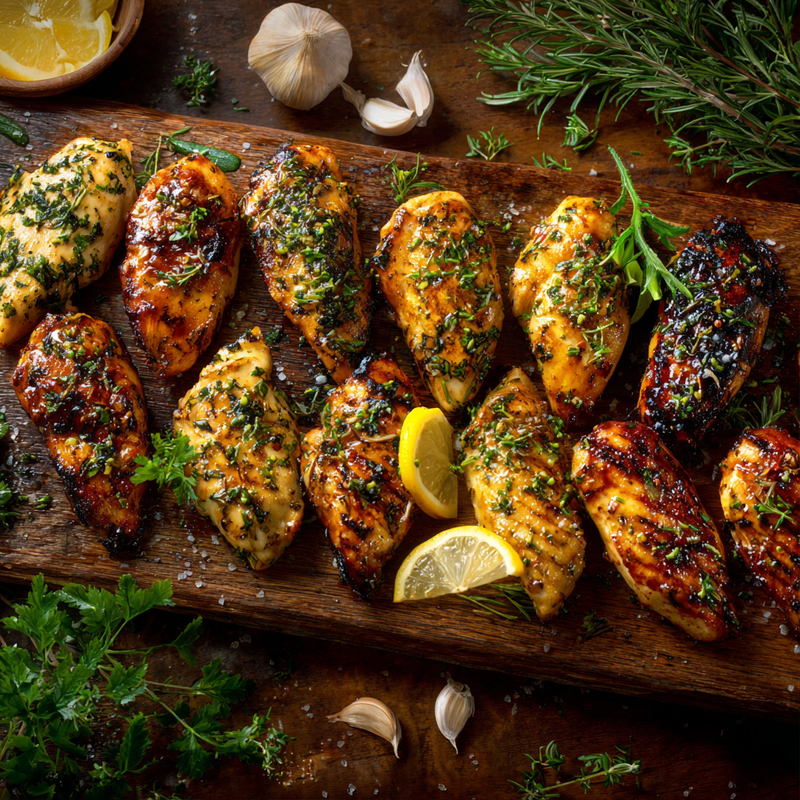
What Are Baked Chicken Breasts?
You might be thinking, "Lucia, I know what chicken breasts are!" But hear me out — there's a world of difference between simply throwing chicken in the oven and truly understanding how to bake it properly. Baked chicken breasts are boneless, skinless cuts of chicken that are cooked in the oven using dry heat, typically at temperatures between 375°F and 425°F. This cooking method allows the exterior to develop a beautiful golden color while the interior stays moist and tender, especially when you apply the right techniques.
The beauty of baking chicken breasts lies in its hands-off simplicity. Unlike stovetop cooking where you need to monitor and flip constantly, baking allows you to prepare your chicken, slide it into the oven, and focus on preparing side dishes or spending time with your family. The oven's consistent heat circulates around the chicken, cooking it evenly from all sides. When done correctly, baked chicken breasts become incredibly versatile — they can be sliced for salads, shredded for wraps, served whole as a main course, or meal-prepped for convenient weeknight dinners throughout the week. Ready to explore fifteen exciting ways to transform this simple protein into something absolutely extraordinary?
Why You'll Love These Ways To Bake Chicken Breasts For Dinner
Incredibly Easy and Beginner-Friendly: Every single method I'm sharing for baking chicken breasts is designed with simplicity in mind. You don't need fancy culinary training or specialized equipment — just a baking dish, some basic seasonings, and your trusty oven. Most preparations take less than ten minutes of active work before the oven does the rest. Even if you're new to cooking, these techniques will make you feel like a confident home chef.
Budget-Friendly Without Sacrificing Flavor: Chicken breasts are one of the most economical proteins available, and baking them stretches your grocery budget even further. Unlike methods that require expensive oils for frying or specialty equipment, these baking approaches use pantry staples and simple ingredients. You can feed a family of four for under fifteen dollars while creating restaurant-quality meals that taste like you spent hours in the kitchen.
Naturally Lean and Health-Conscious: Baked chicken breasts are a protein powerhouse with minimal fat, making them perfect for anyone focused on nutritious eating. The baking method requires little to no added oil, keeping the calorie count reasonable while delivering approximately 30 grams of protein per serving. Each of these fifteen methods can be adapted to fit various dietary preferences, from low-carb to high-protein to everything in between.
Endless Variety Means Never Getting Bored: The biggest complaint I hear about chicken is that it gets repetitive. Not with these fifteen distinct flavor profiles! From Mediterranean herb blends to Asian-inspired glazes, from spicy rubs to creamy toppings, you'll have more than two weeks' worth of completely different dinner experiences. Your family will actually look forward to chicken night again.
Perfect for Meal Prep and Leftovers: Baked chicken breasts are meal-prep champions. They store beautifully in the refrigerator for up to four days and freeze wonderfully for up to three months. Prepare a double batch using different flavor profiles, and you'll have ready-to-eat protein for salads, grain bowls, wraps, and quick dinners all week long. Unlike some proteins that dry out when reheated, properly baked chicken breasts maintain their moisture and flavor even after storage.
Guaranteed Crowd-Pleaser for All Ages: Whether you're feeding picky children, adventurous teenagers, or health-conscious adults, at least several of these fifteen methods will appeal to everyone at your table. The customizable nature of baked chicken breasts means you can adjust spice levels, swap ingredients, and tailor each preparation to your family's unique preferences. It's the ultimate adaptable dinner solution.
Key Ingredients and What They Bring
When exploring these fifteen ways to bake chicken breasts for dinner, you'll encounter several key ingredients that appear repeatedly because they genuinely transform the final dish. First and foremost, boneless skinless chicken breasts themselves should be fresh and ideally similar in size for even cooking. I always look for chicken breasts that are plump and pale pink without any grayish tones, as freshness directly impacts both flavor and texture. When chicken breasts are uniform in thickness, they cook evenly, preventing that frustrating situation where one end is overcooked while the other is still underdone.
Olive oil appears in many of these baking methods, and for good reason — it helps create a barrier that locks in moisture while promoting that desirable golden exterior. A light coating of olive oil also helps seasonings adhere to the chicken surface and prevents sticking to your baking dish. You can substitute with avocado oil or melted coconut oil depending on the flavor profile you're creating. Fresh garlic is another superstar ingredient that brings aromatic depth to baked chicken breasts. Whether minced, sliced, or used as whole cloves scattered around the baking dish, garlic infuses the chicken with a savory richness that's absolutely irresistible.
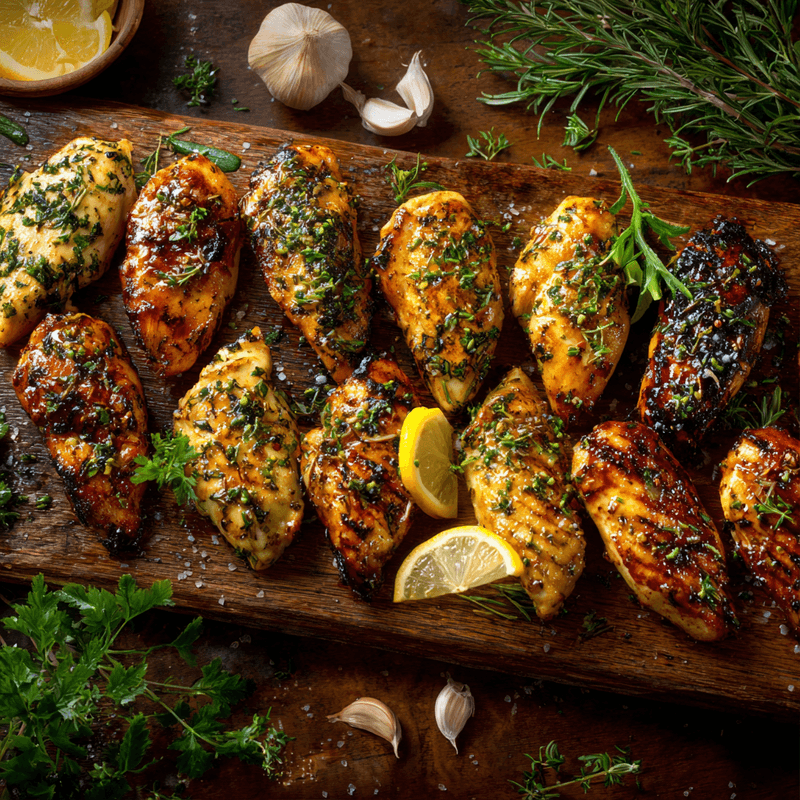
Fresh herbs like rosemary, thyme, oregano, and parsley contribute bright, earthy flavors that complement chicken's mild taste perfectly. I often use a combination of dried and fresh herbs — dried herbs in the initial seasoning for concentrated flavor, and fresh herbs added toward the end or as garnish for vibrant color and aromatic punch. Citrus fruits, particularly lemon and lime, serve multiple purposes in baking chicken breasts. The acid in citrus juice tenderizes the meat, brightens flavors, and adds a refreshing zing that cuts through richness. Even just a few slices of lemon placed on top of chicken while baking infuses incredible flavor.
Honey and mustard together create one of the most beloved flavor combinations for baked chicken breasts. Honey adds natural sweetness and helps create beautiful caramelization, while mustard brings tangy sharpness and acts as an emulsifier that helps other ingredients stick to the chicken. Various spices like paprika, cumin, garlic powder, and onion powder build layers of flavor complexity. Paprika, for instance, contributes a subtle sweetness and gorgeous color, while cumin adds earthy warmth that works beautifully in numerous flavor profiles.
How to Bake Chicken Breasts — Quick Overview
No matter which of the fifteen methods you choose for baking chicken breasts for dinner, the fundamental technique remains beautifully consistent. You'll start by preheating your oven to the temperature specified in your chosen method, typically between 375°F and 425°F. While the oven heats, you'll prepare your chicken breasts by patting them completely dry with paper towels — this crucial step ensures seasonings stick properly and helps achieve that golden exterior. If your chicken breasts are particularly thick on one end, you can pound them to an even thickness or slice them horizontally to create thinner cutlets that cook more uniformly.
Next comes the flavor application, which varies beautifully across these fifteen methods. You might brush on a marinade, coat with a dry rub, spread on a creamy topping, or simply drizzle with oil and seasonings. The key is ensuring even coverage and letting the flavors really connect with the chicken surface. Some methods benefit from a brief marinating period of 15-30 minutes, while others can go straight into the oven. Arrange your prepared chicken breasts in a baking dish with a bit of space between each piece to allow heat circulation.
The baking process typically takes 20-30 minutes depending on the thickness of your chicken and your oven temperature. You'll know your baked chicken breasts are perfectly done when an instant-read thermometer inserted into the thickest part registers 165°F. The chicken should feel firm to the touch with juices running clear, and the exterior should be beautifully golden. After removing from the oven, always let your chicken rest for 5 minutes before slicing — this allows the juices to redistribute throughout the meat, ensuring every bite is moist and flavorful. With these basic steps mastered, you're ready to explore all fifteen exciting variations!
Top Tips for Perfecting Baked Chicken Breasts
The single most important tip for achieving perfectly baked chicken breasts is to avoid overcooking, which is the primary culprit behind dry, rubbery results. Invest in an instant-read meat thermometer and remove your chicken from the oven when it reaches exactly 165°F internally. The temperature will continue rising by a few degrees during the resting period, so pulling it at 165°F ensures you won't overshoot into dry territory. Remember that carryover cooking is real and significant with poultry.
Brining your chicken breasts before baking is a game-changing technique that guarantees juicy results across all fifteen methods. A simple brine of water, salt, and a touch of honey takes just 30 minutes and increases the chicken's moisture content significantly. The salt in the brine helps the muscle fibers retain water during cooking, while also seasoning the meat from the inside out. If you're short on time, even a quick 15-minute brine makes a noticeable difference in the final texture.
Don't skip the resting period after baking chicken breasts — this five-minute pause is absolutely crucial. When chicken comes out of the oven, the juices have been driven toward the center by the heat. Cutting immediately causes all those flavorful juices to run out onto your cutting board instead of staying in the meat. Letting the chicken rest allows the juices to redistribute evenly, resulting in moist, tender bites throughout. Tent loosely with foil if you're worried about it cooling too much.
Pounding chicken breasts to an even thickness is a simple step that dramatically improves cooking results. When one end of the breast is significantly thicker than the other, the thin end overcooks and dries out before the thick end reaches safe temperature. Place your chicken between two sheets of plastic wrap and use a meat mallet or heavy pan to gently pound until the thickness is uniform, about 3/4 inch throughout. This ensures every part of the chicken finishes cooking at the same time.
Layering flavors creates depth that makes baked chicken breasts memorable rather than mundane. Start with a good seasoning base of salt and pepper, add a flavor component like herbs or spices, include something acidic like lemon juice or vinegar, and finish with a touch of sweetness from honey or a glaze. This building of complementary flavors is what separates merely edible chicken from truly crave-worthy chicken that your family requests repeatedly.
Consider the cooking vessel carefully when baking chicken breasts for dinner. Glass or ceramic baking dishes retain heat well and create gentle, even cooking, while metal pans heat up quickly and can create more browning. For methods where you want a golden crust, use a metal pan. For gentler cooking with creamy sauces, opt for ceramic. Always ensure your baking dish is appropriately sized — chicken pieces should fit comfortably with a bit of space between them, but not be swimming in a too-large pan.
Basting or checking your chicken breasts halfway through the cooking time helps ensure even cooking and adds extra moisture. Open the oven, spoon some of the pan juices or marinade over the chicken, and rotate the pan if your oven has hot spots. This quick attention midway through baking takes just 30 seconds but can make the difference between good chicken and absolutely spectacular chicken that's evenly cooked and beautifully flavored throughout.
Variations and Flavor Twists
While I'm sharing fifteen complete methods for baking chicken breasts, each one can be further customized with simple variations. For any herb-based method, try swapping the herbs entirely — if a recipe calls for Italian herbs like basil and oregano, substitute with French herbs like tarragon and chervil for a completely different flavor profile. Fresh herbs can always be replaced with dried herbs using a ratio of one-third the amount, since dried herbs are more concentrated in flavor.
Adjust the heat level across any of these fifteen ways to bake chicken breasts by incorporating different types of peppers or hot sauces. For a mild family-friendly version, stick with sweet paprika and omit any cayenne. For moderate heat, add a pinch of red pepper flakes or a dash of your favorite hot sauce. If you love serious spice, incorporate finely minced jalapeños, a teaspoon of cayenne pepper, or a generous drizzle of spicy chili oil. The beauty of baking chicken breasts is that the heat level is entirely in your control.
Create vegetarian-friendly versions of the side dishes and accompaniments while keeping your protein-focused main dish the star. Many of these baked chicken breast methods pair beautifully with roasted vegetables, grain salads, or legume-based sides that vegetarian family members can enjoy as their main course. You can also experiment with plant-based proteins using similar baking methods and seasonings if you're cooking for mixed dietary preferences.
Transform any of these baked chicken breast methods into a complete one-pan meal by adding vegetables directly to the baking dish. Potatoes, carrots, bell peppers, zucchini, and green beans all roast beautifully alongside chicken. Cut your vegetables into similar-sized pieces, toss them with a bit of oil and seasoning, and arrange them around the chicken in your baking dish. Everything cooks together, the vegetables absorb the delicious chicken juices, and you have a complete dinner with minimal cleanup.
Experiment with different marinade bases to create entirely new flavor profiles. Swap the standard oil-based marinade for coconut milk mixed with curry spices for a creamy, aromatic variation. Try tomato-based marinades with Mediterranean spices for a completely different taste. Even something as simple as swapping lemon juice for lime juice or orange juice creates a noticeably different flavor that keeps your baked chicken breast rotation exciting and fresh.
What to Serve with Baked Chicken Breasts
Baked chicken breasts pair magnificently with fluffy rice pilaf studded with toasted nuts and dried fruit. The mild, tender chicken provides the perfect protein complement to rice's subtle flavor and comforting texture. I love making a simple rice pilaf with toasted almonds, golden raisins, and fresh herbs — the slight sweetness from the raisins plays beautifully against savory chicken, while the almonds add satisfying crunch. This combination creates a complete, balanced meal that feels special enough for guests but easy enough for weeknight dinners.
Roasted vegetables are perhaps the most natural pairing with any of these fifteen ways to bake chicken breasts for dinner. Toss Brussels sprouts, carrots, and red onions with olive oil, salt, and pepper, then roast them alongside your chicken. The vegetables caramelize and sweeten in the oven's heat, developing crispy edges and tender interiors that contrast wonderfully with the chicken's texture. You can even use the same baking sheet, making cleanup remarkably simple.
A crisp, refreshing salad cuts through the richness of baked chicken breasts beautifully. I particularly love a simple arugula salad with shaved vegetables, cherry tomatoes, and a bright lemon vinaigrette. The peppery arugula, acidic tomatoes, and tangy dressing refresh your palate between bites of chicken, making each taste as exciting as the first. For heartier appetites, add quinoa or chickpeas to transform the salad into a more substantial side dish.
Creamy mashed potatoes or cauliflower mash create a comforting, satisfying base for sliced baked chicken breasts. The smooth, velvety texture of mashed potatoes soaks up any pan juices or sauces from your chicken, ensuring not a drop of flavor goes to waste. For a lighter option, cauliflower mash delivers similar comfort with fewer carbohydrates and calories. Both options can be customized with garlic, herbs, or a touch of cream cheese for extra richness.
Warm, crusty bread is essential for soaking up any delicious juices or sauces from your baked chicken breasts. Whether you choose a rustic whole grain loaf, soft dinner rolls, or garlic-herb flatbread, having bread on the table ensures every bit of flavor is enjoyed. Toast the bread slightly and brush with olive oil and herbs to create an even more special accompaniment that feels restaurant-quality.
Fresh fruit provides a light, sweet counterpoint to savory baked chicken breasts. A simple fruit salad with mint, or even just apple slices with a sprinkle of cinnamon, adds refreshing brightness to your plate. This is particularly wonderful during warmer months when you want a complete meal that doesn't feel heavy. The natural sweetness of fruit complements many of the marinades and seasonings used in these chicken preparations.
Storing and Reheating Tips
Properly stored baked chicken breasts remain delicious and safe to eat for up to four days in the refrigerator. Allow your chicken to cool to room temperature within two hours of baking, then transfer to airtight containers or wrap tightly with plastic wrap or aluminum foil. I prefer storing the chicken whole rather than sliced, as larger pieces retain moisture better during storage. If you've made multiple batches using different flavor profiles, label your containers clearly so you can easily identify which preparation is which.
For longer storage, freezing baked chicken breasts is an excellent option that maintains quality for up to three months. Wrap each chicken breast individually in plastic wrap, then place all wrapped pieces in a freezer-safe bag or container. This individual wrapping prevents freezer burn and allows you to thaw only what you need for a particular meal. Remove as much air as possible from freezer bags before sealing to further protect against freezer burn and maintain the chicken's texture.
When you're ready to enjoy your leftover baked chicken breasts, proper reheating ensures they taste nearly as good as when freshly made. The oven method is my favorite for maintaining texture — place chicken in a baking dish, add a tablespoon or two of broth or water, cover with foil, and reheat at 350°F for about 15-20 minutes until warmed through. The added liquid creates steam that prevents the chicken from drying out during reheating.
For quicker reheating, the stovetop method works wonderfully and takes just minutes. Slice your baked chicken breasts and warm them in a skillet over medium-low heat with a small amount of broth, covering with a lid to trap steam. This method is particularly useful when you're adding the chicken to pasta dishes, stir-fries, or grain bowls. The gentle heat and added moisture keep the chicken tender rather than rubbery.
Microwave reheating is the fastest option, though it requires care to prevent drying. Place sliced chicken in a microwave-safe dish, add a tablespoon of water or broth, and cover with a damp paper towel or microwave-safe lid. Heat in 30-second intervals at 70% power, checking and rearranging pieces between intervals. This lower power setting heats more gently and evenly than full power, which can create tough, rubbery spots.
Cold baked chicken breasts are absolutely delicious and don't always require reheating. Slice them thinly for salads, wraps, or grain bowls where cold protein is actually preferable. The firm texture of cold chicken makes it easier to slice neatly, and many flavor profiles actually taste more pronounced when served chilled. This is particularly true for herb-crusted or citrus-marinated varieties that shine in cold applications.
Frequently Asked Questions
Can I make baked chicken breasts ahead of time for meal prep?
Absolutely! Baked chicken breasts are ideal for meal prep and actually improve slightly in flavor as the seasonings have more time to penetrate the meat. Prepare your chicken using any of the fifteen methods, allow it to cool completely, then store in airtight containers in the refrigerator for up to four days. I often dedicate Sunday afternoons to baking two or three different flavor profiles, giving me varied, ready-to-eat protein throughout the week for quick lunches and dinners.
How do I know when my baked chicken breasts are perfectly done?
The only truly reliable method is using an instant-read meat thermometer inserted into the thickest part of the chicken breast — it should register exactly 165°F. Visual cues can be misleading, but properly cooked chicken will feel firm to the touch, show clear (not pink) juices when pierced, and have an opaque, white appearance throughout. Remember that the chicken will continue cooking slightly as it rests, so removing it at precisely 165°F ensures it won't overcook.
Can I substitute chicken thighs for chicken breasts in these recipes?
You certainly can, though you'll need to adjust cooking times since thighs are fattier and slightly more forgiving than breasts. Boneless, skinless chicken thighs will take approximately the same time to reach 165°F, but bone-in thighs require an additional 10-15 minutes. The flavor profiles and seasonings work beautifully with thighs, and the higher fat content means they're even less likely to dry out during baking.
What's the best way to prevent baked chicken breasts from drying out?
The triple threat for moisture retention includes brining before baking, not overcooking beyond 165°F, and allowing the chicken to rest for five minutes before slicing. Additionally, pounding chicken breasts to even thickness ensures uniform cooking, while basting halfway through baking adds extra moisture. If you consistently struggle with dry chicken, try reducing your oven temperature slightly and extending cooking time — slower, gentler cooking often yields more tender results.
Can I double or halve these baked chicken breast recipes?
These recipes scale beautifully in either direction! When doubling, you may need to use two baking dishes to ensure proper air circulation around each piece of chicken. Cooking time remains essentially the same regardless of quantity, since it's determined by the thickness of individual chicken breasts rather than the total amount. When halving recipes, you can use a smaller baking dish, but still check for doneness at the same time indicated in the original recipe.
Are these baked chicken breast methods suitable for freezing?
Most of these fifteen preparations freeze exceptionally well for up to three months. Methods with creamy dairy-based sauces may experience slight texture changes upon thawing, but the chicken itself remains delicious. Freeze fully cooled chicken in airtight, freezer-safe containers or bags with as much air removed as possible. Thaw overnight in the refrigerator before reheating, and consider refreshing herb-based preparations with a sprinkle of fresh herbs after reheating to brighten the flavors.
Now Let's Explore the 15 Methods
Each of these fifteen ways to bake chicken breasts for dinner brings something unique to your table. The Classic Herb-Roasted method combines olive oil, fresh rosemary, thyme, and garlic for timeless comfort. Honey Mustard Glazed offers the perfect balance of sweet and tangy with a beautiful caramelized finish. Lemon Garlic creates bright, Mediterranean flavors that feel light and refreshing. Parmesan Crusted delivers a crispy, cheesy coating that's utterly irresistible.
Spicy Paprika Rub brings warmth and gorgeous color with smoked paprika, cumin, and a touch of cayenne. Balsamic Glazed features a rich, slightly sweet reduction that's elegant enough for special occasions. Garlic Butter Baked surrounds chicken with aromatic, melted butter infused with fresh garlic and herbs. Mediterranean Style incorporates olives, sun-dried tomatoes, and oregano for bold, tangy flavors.
Coconut Curry takes your taste buds on an exotic journey with creamy coconut milk and warming curry spices. Tomato Basil Baked nestles chicken in fresh tomato sauce with fragrant basil for Italian-inspired comfort. Maple Dijon combines the sophistication of Dijon mustard with the sweetness of pure maple syrup. Ranch Seasoned uses everyone's favorite flavor profile for family-friendly appeal that kids absolutely love.
Teriyaki Style creates an Asian-inspired glaze with ginger, garlic, and a touch of honey for sweetness. Everything Bagel Crusted coats chicken in the beloved seasoning blend for a fun, flavorful twist. Finally, Pesto Topped spreads vibrant basil pesto over chicken for an aromatic, herb-forward preparation that's ready in minutes. Each method transforms simple chicken breasts into something special, ensuring you'll never run out of delicious dinner ideas.
The beauty of having fifteen distinct ways to bake chicken breasts for dinner is that you can rotate through them for more than two weeks without repetition. Your family will look forward to chicken night, wondering which delicious preparation you'll choose. Whether you're in the mood for something light and fresh or rich and comforting, there's a method here that fits perfectly. These techniques have transformed my own dinner routine from repetitive to exciting, and I'm confident they'll do the same for yours. Happy baking, and enjoy discovering your new favorite way to prepare this versatile, delicious protein!
15 Fun & Easy Ways To Bake Chicken Breasts For Dinner
Master fifteen delicious methods for baking perfectly juicy chicken breasts with varied flavor profiles from herb-roasted to honey glazed to spicy paprika.
Prep Time
15 min
Cook Time
25 min
Total Time
40 min
Servings
4 servings
Ingredients
For 4 servings
- 4 boneless, skinless chicken breasts (about 6-8 oz each)
- 2 tablespoons olive oil
- 1 teaspoon salt
- 1/2 teaspoon black pepper
- 2 cloves garlic, minced
- 1 tablespoon fresh herbs (rosemary, thyme, or oregano), or 1 teaspoon dried herbs
- 1 tablespoon lemon juice
- Optional: 1 tablespoon honey for glazed variations
- Optional: 1 tablespoon Dijon mustard for tangy variations
- Optional: 1 teaspoon paprika for smoky variations
- Optional: 2 tablespoons grated Parmesan for crusted variations
Instructions
- 1
Preheat oven
Preheat your oven to 400°F (200°C). Line a baking dish with parchment paper or lightly grease it with olive oil to prevent sticking.
- 2
Prepare chicken breasts
Pat the chicken breasts completely dry with paper towels. If they're uneven in thickness, place them between plastic wrap and gently pound to an even 3/4-inch thickness using a meat mallet or heavy pan.
- 3
Season the chicken
Rub each chicken breast with olive oil, ensuring all surfaces are coated. Season generously with salt and black pepper on both sides.
- 4
Apply chosen flavoring
Choose your preferred method from the fifteen variations: mix minced garlic with herbs, create a honey-mustard glaze, apply a spicy paprika rub, or use any other flavor combination. Coat the chicken evenly with your chosen seasonings.
- 5
Arrange in baking dish
Place the seasoned chicken breasts in the prepared baking dish with a bit of space between each piece to allow heat circulation. Add lemon slices or aromatics around the chicken if desired.
- 6
Bake chicken
Transfer the baking dish to the preheated oven and bake for 20-25 minutes, depending on thickness. For glazed variations, brush with additional sauce halfway through cooking.
- 7
Check for doneness
Insert an instant-read thermometer into the thickest part of the chicken. It should register 165°F. The chicken should appear opaque throughout with clear juices running when pierced.
- 8
Rest before serving
Remove the baking dish from the oven and let the chicken rest for 5 minutes before slicing or serving. This allows the juices to redistribute throughout the meat for maximum moisture and flavor.
Nutrition Facts
Per serving (estimated)
285 calories
Calories
3g
Carbs
42g
Protein
11g
Fat
0g
Fiber
680mg
Sodium
2g
Sugar