10+ Make-Ahead Crockpot Recipes for Lazy Summer Dinners
Discover effortless make-ahead crockpot recipes perfect for lazy summer evenings. Keep your kitchen cool while enjoying delicious, hands-off meals.
cookwithlucia.com/recipes/10-make-ahead-crockpot-recipes-for-lazy-summer-dinner-ideas
There's something beautifully paradoxical about using your crockpot during summer. While the rest of the world fires up outdoor grills and cranks up stovetop burners, you're keeping your kitchen blissfully cool with a countertop appliance that does all the work for you. These make-ahead crockpot recipes have transformed how I approach summer cooking, when the last thing anyone wants is to stand over a hot stove. The genius lies in the preparation: spend fifteen minutes in the morning or the night before, and dinner practically cooks itself while you're at work, tending the garden, or enjoying the long daylight hours.
I'll be honest with you: these make-ahead crockpot recipes require a shift in how you think about meal planning. You're not just cooking dinner; you're orchestrating a system that gives you freedom during the most beautiful season of the year. The first time I prepped five crockpot meals in one evening and stacked them in the freezer, I felt like I'd unlocked a secret level of adulting. Throughout this guide, I'll walk you through more than ten incredible recipes that embrace summer's abundance of fresh produce while keeping your kitchen cool and your evenings free. These aren't just recipes; they're your ticket to reclaiming summer evenings for what matters most.
The Origins and History
The slow cooker revolution began in the 1970s when the Crock-Pot brand introduced America to the concept of unattended cooking. Originally designed to cook beans overnight, this humble appliance quickly became synonymous with working families who needed dinner ready when they walked through the door. The concept itself draws from ancient cooking methods: clay pot cooking in North Africa, earthenware vessels buried in coals across Asia, and cast iron pots nestled in hearth embers throughout Europe all share the same low-and-slow philosophy.
What's fascinating is how crockpot cooking has evolved beyond winter stews and heavy casseroles. Modern home cooks have embraced the appliance for summer cooking precisely because it doesn't heat up the kitchen like an oven would. The make-ahead component emerged from the meal prep movement of the 2010s, when busy families discovered they could assemble ingredients in bags, freeze them, and transfer them directly to the crockpot when needed. This combination of old-world slow cooking and contemporary batch preparation has created an entirely new category of home cooking.
Regional variations in crockpot usage reflect local ingredients and traditions. In the Mediterranean regions, you'll find slow-cooked vegetable stews with chickpeas and aromatic herbs. Asian-inspired crockpot recipes often feature ginger, garlic, and coconut milk for rich curries. American comfort food translates beautifully to the crockpot with tender chicken dishes and hearty bean preparations. The beauty of these make-ahead crockpot recipes is their adaptability; they honor traditional flavors while embracing modern convenience.
Understanding the Flavor Profile
Slow cooking creates a unique flavor development that you simply cannot achieve through quick cooking methods. As proteins and vegetables simmer for hours, their cellular structures break down gradually, releasing sugars, amino acids, and aromatic compounds that mingle and intensify. The closed environment of a crockpot traps steam and volatile flavor molecules, essentially bathing your ingredients in their own concentrated essence. This is why a crockpot chicken becomes so tender it falls off the bone, and why vegetable-based dishes develop such deep, complex flavors.
The layering of flavors in these make-ahead crockpot recipes happens in stages. Aromatics like onions and garlic mellow and sweeten during the long cooking time, losing their sharp bite and developing caramel-like notes. Spices bloom in the gentle heat, releasing their essential oils without the risk of burning. Acids from tomatoes or citrus juice break down tough fibers while brightening the overall taste. By the time your meal is ready, you have a harmonious blend where no single ingredient dominates but everything works together.
Texture plays an equally important role in summer crockpot cooking. While winter recipes might embrace falling-apart tenderness, summer versions often benefit from adding fresh elements at the end. A slow-cooked base gains vibrancy from a handful of fresh herbs stirred in just before serving. Vegetables added in the final hour retain some bite, providing textural contrast. The ideal summer crockpot meal balances the melting tenderness of slow-cooked proteins with the brightness of seasonal produce.
Essential Ingredients Explained
Boneless chicken thighs are the MVP of summer crockpot cooking because they remain moist and tender even after hours of cooking. Unlike chicken breasts, which can become dry and stringy, thighs contain enough fat and connective tissue to break down into silky, flavorful meat. Look for organic, halal-certified options when shopping, and don't trim away all the fat; it's essential for flavor and moisture. If you prefer leaner options, bone-in pieces work beautifully, though you'll need to remove bones before serving.
Coconut milk brings luxurious richness to these make-ahead crockpot recipes without requiring dairy. The full-fat version creates creamy, restaurant-quality sauces that coat proteins beautifully. When shopping, shake the can; you should hear liquid moving freely, indicating it hasn't separated excessively. The cream that rises to the top adds body to curries and stews, while the thinner liquid keeps things from becoming too heavy during long cooking times. For lighter versions, you can use half coconut milk and half vegetable broth.
Fresh ginger and garlic form the aromatic foundation for many summer crockpot dishes. Fresh ginger should have tight, smooth skin and feel firm when pressed; wrinkled ginger has lost moisture and potency. Store it in the freezer and grate it directly into your prep without thawing for the easiest preparation. Garlic should have papery, intact skin with no green shoots emerging. For make-ahead recipes, minced garlic in oil works perfectly and saves precious morning minutes when you're assembling your crockpot.
Tomatoes, whether fresh, canned, or as paste, provide acidity that balances rich flavors and helps tenderize proteins. San Marzano tomatoes offer sweet, low-acid flavor perfect for Italian-inspired dishes. Fire-roasted canned tomatoes add smokiness without requiring actual grilling. Tomato paste concentrates umami and helps thicken sauces naturally. During summer's tomato peak, blanching and freezing fresh tomatoes for crockpot use preserves that just-picked flavor for months.
Dried beans and lentils are summer crockpot heroes because they cook to creamy perfection while adding plant-based protein and fiber. Red lentils break down into thick, porridge-like consistency ideal for dal. Chickpeas hold their shape and provide satisfying texture. Black beans develop an almost meaty richness. Soak larger beans overnight, drain, and add them to your freezer prep bags; they'll finish cooking perfectly in the crockpot. Lentils need no soaking and cook beautifully from dried.
Bone broth or quality vegetable stock provides the liquid foundation that carries flavors throughout your dish. Homemade broth adds incomparable depth, but store-bought works excellently when you choose low-sodium versions so you can control seasoning. Look for brands with minimal ingredients; you want actual vegetables and herbs, not just salt and flavoring agents. For make-ahead convenience, freeze broth in measured portions so you can grab exactly what each recipe needs.
Warm spices like cumin, coriander, turmeric, and cinnamon transform simple ingredients into globally-inspired meals. These spices are heat-stable and actually benefit from long cooking times, which allows their flavors to permeate every component of your dish. Buy whole spices when possible and toast them lightly before grinding for maximum potency. Store spices away from heat and light; a cool, dark cabinet preserves their essential oils far better than a rack above your stove.
Fresh herbs added at the finish line breathe life into these make-ahead crockpot recipes. Cilantro, basil, mint, and parsley wilt and lose flavor during long cooking, so reserve them for garnish. Their bright, green flavors contrast beautifully with deep, slow-cooked bases. Hardy herbs like thyme, rosemary, and bay leaves can withstand hours in the crockpot and should be added at the beginning. The combination of cooked and fresh herbs creates layers of flavor that make people wonder what your secret is.
Mastering the Technique
The foundation of successful make-ahead crockpot recipes begins with proper ingredient preparation. When you're assembling freezer meals, cut proteins into uniform pieces so everything cooks at the same rate. Dice vegetables larger than you think necessary; they'll shrink considerably during cooking. Layer ingredients strategically in your freezer bags: proteins on the bottom, then aromatics, then vegetables, with liquids and spices measured into small containers that you'll add on cooking day. This organization ensures even distribution of flavors and prevents freezer burn on delicate ingredients.
The night before cooking, transfer your frozen meal bag from freezer to refrigerator. This gentle thawing prevents temperature shock that can affect texture, especially in chicken and vegetables. Some cooks prefer to add frozen contents directly to the crockpot, which works but requires an extra hour or two of cooking time. If you're starting from fresh ingredients rather than frozen prep, sautéing aromatics for just three to four minutes before adding them to the crockpot deepens their flavor significantly, though this step is optional for truly lazy summer cooking.
Understanding your crockpot's temperature zones helps you achieve perfect results every time. The low setting typically maintains temperatures between 190-200°F, ideal for all-day cooking of tougher proteins and dried beans. The high setting reaches 280-300°F and cuts cooking time in half, perfect when you're starting dinner mid-morning rather than early morning. Resist the urge to lift the lid during cooking; each peek releases heat and steam, adding 15-20 minutes to your cooking time. Trust the process and let the magic happen undisturbed.
Timing vegetables correctly separates good crockpot meals from great ones. Root vegetables like carrots and potatoes should go in at the beginning; they need the full cooking time to become tender. Quick-cooking vegetables like zucchini, bell peppers, and leafy greens should be added in the final 30-45 minutes to prevent mushiness. Frozen vegetables can go in during the last hour. This staggered approach ensures everything reaches perfect doneness simultaneously, giving you varied textures rather than a uniform mush.
The finishing touches transform a crockpot meal into something restaurant-worthy. Taste and adjust seasoning at the end; salt and spices can mellow during long cooking and often need a boost before serving. If your sauce is too thin, remove the lid and switch to high for the final 20 minutes to encourage evaporation, or whisk in a cornstarch slurry. If it's too thick, thin with broth or coconut milk. A squeeze of fresh lemon or lime juice brightens flavors that may have become one-dimensional. Finally, garnish generously with fresh herbs, toasted nuts, or a drizzle of quality olive oil for visual appeal and textural contrast.
Common Pitfalls and How to Fix Them
The most common mistake with these make-ahead crockpot recipes is overfilling your slow cooker, which prevents proper heat circulation and results in unevenly cooked food. Your crockpot should be between half and three-quarters full for optimal results. If you're cooking for a crowd, it's better to use two medium crockpots than to stuff one large one to the brim. The extra space allows steam to circulate and heat to penetrate evenly, ensuring tender proteins and perfectly cooked vegetables throughout.
Watery, bland sauces plague many first-time crockpot users who add too much liquid at the start. Remember that unlike stovetop cooking, very little liquid evaporates from a covered crockpot. Start with less liquid than you think you need; you can always add more at the end if needed. A good rule is to use half the liquid a stovetop recipe would call for. If you do end up with excess liquid, strain it into a saucepan, reduce it on the stovetop until concentrated and flavorful, then pour it back over your protein and vegetables.
Tough, dry chicken breast disappoints more home cooks than any other crockpot failure. The solution is simple: switch to chicken thighs or add breasts only in the final two to three hours of cooking. Chicken breasts contain minimal fat and overcook easily in the moist crockpot environment, becoming stringy and unpleasant. If you must use breasts, choose bone-in, skin-on versions and remove them as soon as they reach 165°F internal temperature, even if other components need more time. Let them rest while the sauce finishes, then slice and return them to the pot briefly before serving.
Mushy vegetables result from treating all vegetables the same. Dense root vegetables need the full cooking time, but summer squash, tomatoes, and leafy greens turn to mush if added at the beginning. Create a timeline for your recipe: hearty vegetables in at the start, medium-density vegetables halfway through, and delicate ingredients in the final 30-45 minutes. Setting a reminder on your phone ensures you don't forget to add those later-stage ingredients. This extra step takes two minutes but dramatically improves your final dish.
Underseasoned food is perhaps the easiest fix but the most overlooked. Salt is essential for bringing out flavors, but it also concentrates during long cooking. Season lightly at the beginning, then taste and adjust aggressively at the end. Don't forget acid; a tablespoon of lemon juice or vinegar added just before serving brightens every flavor in your pot. Fresh herbs, a pinch of additional spices, or a dash of hot sauce can transform a merely okay meal into something memorable. Always taste before serving and trust your palate.
Regional Twists Worth Trying
Mediterranean-inspired variations of these make-ahead crockpot recipes showcase olive oil, lemon, and herbs like oregano and thyme. Replace coconut milk with crushed tomatoes and add chickpeas, artichoke hearts, and kalamata olives in the final hour. The result is bright and herbaceous rather than creamy and rich. Serve over couscous or with warm flatbread to soak up the aromatic broth. A generous sprinkle of fresh parsley and a drizzle of finishing olive oil brings everything together beautifully.
Asian-inspired crockpot meals lean on ginger, garlic, and coconut milk for complex, aromatic results. Add curry paste, fish sauce, or soy sauce for umami depth, and finish with fresh basil, cilantro, and lime juice. These variations often include sweet potatoes, bell peppers, and snap peas added in stages for textural variety. The long cooking time allows curry flavors to mellow and blend, creating restaurant-quality results from pantry staples. Serve over jasmine rice or rice noodles with extra lime wedges on the side.
Latin-inspired versions embrace cumin, coriander, and chipotle for smoky warmth perfect for summer evenings. Black beans, corn, and bell peppers create hearty vegetarian options, while chicken thighs become incredibly tender in salsa verde or tomato-based sauces. Fresh cilantro, diced avocado, and a squeeze of lime transform the dish just before serving. These recipes work beautifully as taco fillings, burrito bowls, or served over cilantro-lime rice. The versatility means leftovers never feel repetitive.
Middle Eastern influences bring warm spices like cinnamon, cardamom, and sumac to your summer crockpot repertoire. Combine chicken with apricots, dates, or raisins for subtle sweetness that balances savory spices. Chickpeas and lentils create satisfying vegetarian versions topped with tahini sauce and fresh mint. These dishes often improve overnight as flavors continue to meld, making them ideal for make-ahead meal planning. Serve with bulgur, quinoa, or flatbread and plenty of fresh vegetables on the side.
The Perfect Spread
Balancing your crockpot main dish with complementary sides creates a complete summer meal that satisfies without overwhelming. Since your protein and sauce are rich and deeply flavored from hours of cooking, choose sides that provide contrast. A simple green salad with crisp lettuce, cucumber, and a bright vinaigrette cuts through richness beautifully. The cool, fresh crunch refreshes your palate between bites of tender, slow-cooked protein. Add sliced radishes, cherry tomatoes, or shredded carrots for color and additional nutrients.
Grain-based sides soak up delicious sauces while adding substance to your meal. Fluffy basmati rice, nutty quinoa, or herb-flecked couscous all work wonderfully with these make-ahead crockpot recipes. Consider cooking grains in broth instead of water for extra flavor, or stir in lemon zest and fresh herbs just before serving. For truly lazy summer cooking, use your rice cooker or instant pot while the crockpot handles the main dish, keeping your stovetop completely free and your kitchen cool.
Bread serves both practical and pleasurable purposes alongside crockpot meals. Warm flatbread, naan, or crusty baguette pieces are perfect for sopping up sauces too good to leave in the bowl. During summer, avoid turning on your oven by warming bread wrapped in foil on a outdoor grill for just a few minutes, or simply serve it at room temperature with good olive oil for dipping. The carbohydrates also help balance spicy dishes and provide satisfaction that pure protein and vegetables sometimes lack.
Fresh vegetable sides honor summer's abundance while keeping your meal light despite the hearty crockpot main. Sliced tomatoes with basil and olive oil, grilled zucchini, or a quick cucumber-yogurt salad all complement slow-cooked proteins beautifully. These no-cook or quickly-prepared sides mean you're spending minimal time on actual cooking while still creating a complete, nutritious meal. The temperature contrast between cool sides and hot main dish is particularly appealing on warm summer evenings.
Keeping and Reheating
Proper storage extends the value of these make-ahead crockpot recipes well beyond the initial meal. Transfer cooled leftovers to airtight containers within two hours of cooking to prevent bacterial growth. Most crockpot meals keep beautifully in the refrigerator for four to five days, and many actually taste better the next day as flavors continue to meld. Divide large batches into individual portions before refrigerating so you can grab single servings for quick lunches without repeatedly reheating the entire batch.
Freezing transforms these recipes into true make-ahead champions. Most crockpot meals freeze excellently for up to three months, giving you a personal freezer full of homemade convenience food. Cool completely before freezing, and portion into family-sized or individual servings depending on your needs. Leave an inch of headspace in containers to allow for expansion during freezing. Label everything with contents and date; three months later, all those containers start looking remarkably similar. Flat freezer bags stack efficiently and thaw more quickly than round containers.
Many crockpot dishes genuinely improve after a night in the refrigerator as salt penetrates proteins more deeply and spices bloom fully. Stews, curries, and braised meats often taste more balanced and complex on day two. The slight cooling also allows fats to solidify on top, which you can easily skim off if you're watching fat intake, though this fat carries tremendous flavor and is worth keeping for most dishes. This improvement factor means you can confidently cook on Sunday for Wednesday's dinner without any quality loss.
Reheating preserves quality when done gently and with a touch of liquid. Stovetop reheating in a covered pan over medium-low heat gives you the most control; add a splash of broth or water to prevent sticking and stir occasionally until heated through. Microwave reheating works for individual portions; use 70% power and stop to stir every minute for even heating. You can also reheat in your crockpot on low for two to three hours, perfect when you want dinner warm and ready but won't be home to tend it. Add fresh herbs and a squeeze of citrus after reheating to brighten flavors.
Your Questions Answered
Can I prep these make-ahead crockpot recipes more than a day in advance?
Absolutely, and that's where the true magic happens. You can prep these meals up to three months ahead by assembling all ingredients in labeled freezer bags and storing them frozen until needed. The night before cooking, move a bag from freezer to refrigerator to thaw, then dump contents into your crockpot in the morning. Some cooks dedicate one afternoon monthly to prepping 10-15 meals at once, essentially creating their own line of frozen dinners that are healthier and more delicious than anything store-bought. Just remember to keep raw proteins and vegetables separate if food safety is a concern, adding them together only on cooking day.
What size crockpot works best for these recipes?
A six-quart oval crockpot is the most versatile size for families and handles all of these make-ahead crockpot recipes beautifully. It accommodates whole chickens, large batches of stew, and feeds six to eight people comfortably. If you're cooking for one or two, a three or four-quart model prevents you from having leftovers for weeks. The oval shape accommodates longer cuts of meat better than round models. Whatever size you choose, remember that crockpots work best when filled halfway to three-quarters full, so having multiple sizes or being willing to halve recipes ensures optimal results.
How do I adapt these recipes if I work long shifts?
Long work days actually make these recipes even more valuable. Most proteins and dried beans can safely cook on low for 10-12 hours without becoming overcooked, giving you flexibility in your schedule. The key is choosing recipes with hardy ingredients rather than delicate fish or quick-cooking vegetables. If you're concerned about overcooking, invest in a crockpot with a programmable timer that switches to warm mode after the cooking time ends. Alternatively, use an outlet timer to delay the start of cooking by a few hours, though this only works with fully thawed ingredients for food safety reasons.
Can I convert my favorite stovetop recipes to make-ahead crockpot recipes?
Most stovetop braises, stews, and curries adapt beautifully to crockpot cooking with a few modifications. Reduce liquid by about half since there's minimal evaporation in a covered crockpot. Cut vegetables larger to prevent mushiness. For timing, eight hours on low roughly equals three to four hours on high, which approximates one to two hours of stovetop simmering. Recipes that rely on high heat for caramelization or crispy textures don't translate as well; these include stir-fries, sautés, and dishes where searing creates essential flavor. Focus on dishes where tenderness and melded flavors are the goal, and you'll rarely be disappointed.
What about cooking for gatherings with these make-ahead crockpot recipes?
Crockpots are secretly perfect for entertaining because they free you from kitchen duty while guests are present. For larger gatherings, prepare two or three different crockpot recipes and keep them on the warm setting for a build-your-own-bowl buffet. Guests can choose their protein, sauce, and toppings while you actually enjoy your own event. The make-ahead aspect means you've done all the work days or weeks before, and you're simply plugging in appliances the morning of your gathering. Set out beautiful bowls of fresh herbs, lime wedges, toasted nuts, and other garnishes so guests can customize their plates. This approach feels special and intentional while requiring almost no day-of effort.
How do I prevent my chicken from drying out during long cooking times?
The secret to perpetually moist chicken in these make-ahead crockpot recipes is choosing the right cut and not overcooking. Dark meat chicken thighs contain enough fat and connective tissue to remain juicy even after eight hours on low. If you prefer white meat, use bone-in, skin-on chicken breasts and add them only for the final three to four hours of cooking. Another trick is to nestle chicken pieces under vegetables and liquid rather than placing them on top where they're exposed to direct heat. Finally, resist cutting into the chicken to check doneness; use an instant-read thermometer instead, and remove pieces as soon as they hit 165°F even if other components need more time.
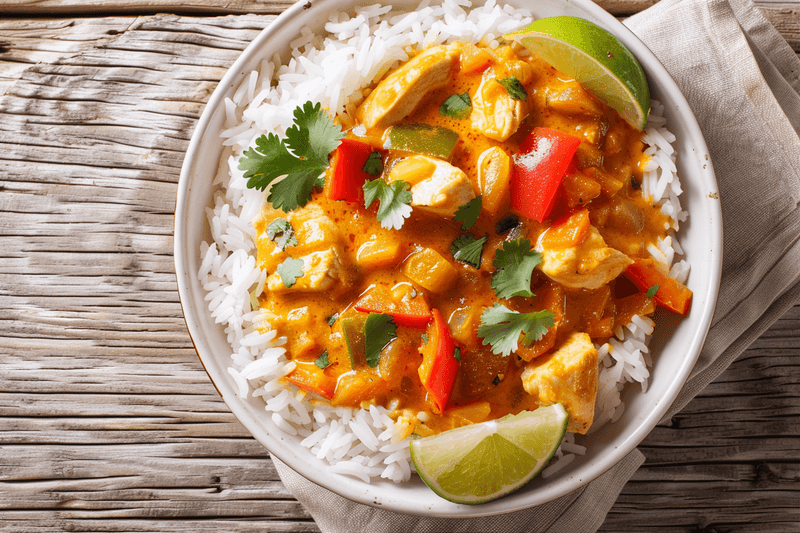
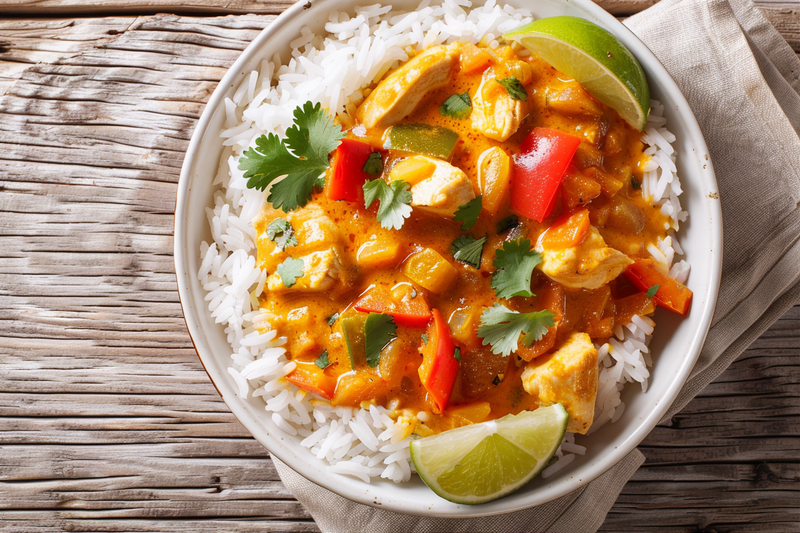
Make-Ahead Crockpot Summer Chicken Curry
A fragrant, creamy coconut curry with tender chicken that's perfect for lazy summer dinners. Prep ahead and let your crockpot do all the work.
Prep Time
20 min
Cook Time
6h
Total Time
6h 20m
Servings
6 servings
Ingredients
For 6 servings
- 2 pounds boneless, skinless chicken thighs, cut into 2-inch pieces
- 1 large yellow onion, diced
- 4 cloves garlic, minced
- 2 tablespoons fresh ginger, grated
- 1 red bell pepper, cut into 1-inch pieces
- 1 yellow bell pepper, cut into 1-inch pieces
- 2 medium sweet potatoes, peeled and cut into 1-inch cubes
- 1 can (14 ounces) coconut milk
- 1 cup chicken broth, low-sodium
- 3 tablespoons curry powder
- 1 teaspoon ground cumin
- 1 teaspoon ground coriander
- 1/2 teaspoon turmeric
- 1/2 teaspoon red pepper flakes
- 1 tablespoon fish sauce
- 2 tablespoons tomato paste
- 1 teaspoon salt
- 1/2 teaspoon black pepper
- 2 cups baby spinach
- 1/4 cup fresh cilantro, chopped
- 2 tablespoons fresh lime juice
- Cooked rice, for serving
Instructions
- 1
Prepare the aromatics
In a large bowl, combine the diced onion, minced garlic, and grated ginger. These aromatics will form the flavor base of your curry. If you're making this as a freezer meal, you can combine all ingredients except the spinach, cilantro, and lime juice in a large freezer bag at this stage.
- 2
Season the chicken
Pat the chicken thighs dry with paper towels and cut them into uniform 2-inch pieces. Season with salt and black pepper, then set aside. Uniform pieces ensure even cooking throughout the long crockpot process.
- 3
Mix the sauce base
In a medium bowl, whisk together the coconut milk, chicken broth, curry powder, cumin, coriander, turmeric, red pepper flakes, fish sauce, and tomato paste until smooth. This creates a rich, flavorful liquid that will surround and flavor all your ingredients during cooking.
- 4
Layer the crockpot
Place the sweet potato cubes in the bottom of your crockpot as they take the longest to cook. Add the seasoned chicken pieces on top, followed by the onion mixture. Pour the sauce base over everything, ensuring all ingredients are submerged. The layering helps ensure even cooking.
- 5
Begin slow cooking
Cover the crockpot with its lid and set it to low heat. Cook for 5 hours without lifting the lid, as this releases heat and extends cooking time. The low, gentle heat will break down the chicken into tender, flavorful pieces while the sweet potatoes become creamy.
- 6
Add the bell peppers
After 5 hours, add the red and yellow bell pepper pieces to the crockpot, stirring gently to submerge them in the sauce. Replace the lid and continue cooking on low for another 45 minutes to 1 hour. This timing prevents the peppers from becoming mushy while still cooking them through.
- 7
Incorporate fresh greens
In the final 10 minutes of cooking, stir in the baby spinach. It will wilt quickly in the hot curry, adding nutrition and a pop of green color. The spinach should be just wilted but still bright green when you serve the dish.
- 8
Finish and garnish
Turn off the crockpot and stir in the fresh lime juice, which brightens all the flavors. Taste and adjust seasoning with additional salt if needed. Ladle the curry over cooked rice in serving bowls and garnish generously with fresh cilantro. The contrast between the slow-cooked curry and fresh herbs creates a balanced, restaurant-quality dish.
Nutrition Facts
Per serving (estimated)
420 calories
Calories
32g
Carbs
35g
Protein
18g
Fat
5g
Fiber
680mg
Sodium
8g
Sugar