10 Easter Cakes Ideas for Your Spring Celebration
Discover 10 stunning spring cake ideas perfect for family gatherings. From classic vanilla to chocolate masterpieces, these recipes bring joy to any table.
cookwithlucia.com/recipes/10-easter-cakes-ideas
Spring brings with it the promise of renewal, blooming gardens, and the perfect excuse to gather loved ones around a beautifully decorated table. While many traditions celebrate this season with elaborate feasts, the centerpiece that truly captures everyone's attention is always the cake. Whether you're planning a weekend brunch, a family gathering, or simply want to welcome the warmer weather with something special, having a collection of show-stopping cake ideas at your fingertips is invaluable. I've spent years perfecting these recipes, and I can tell you that each one requires attention to detail and a bit of patience, but the reactions you'll get when you present these masterpieces make every moment worthwhile. These aren't just ordinary cakes—they're conversation starters, memory makers, and the kind of desserts that have guests asking for recipes before they've even finished their first slice. In this comprehensive guide, I'll walk you through ten distinct cake ideas that range from elegantly simple to impressively intricate, ensuring you'll find the perfect match for your skill level and occasion.
The Origins and History
The tradition of baking elaborate cakes for spring celebrations dates back centuries, with European bakers creating ornate confections to mark the end of winter and the arrival of warmer days. These cakes weren't just desserts—they were symbols of abundance, fertility, and new beginnings. In medieval times, bakers would incorporate seasonal ingredients like fresh eggs, butter, and the first spring honey into their creations, making these cakes truly special after the lean winter months. As these traditions spread across continents, each culture added its own signature touches. Italian bakers introduced almond-based cakes, French patissiers perfected delicate sponges, and German confectioners created towering layer cakes adorned with buttercream flowers. In modern home kitchens, we've inherited this rich legacy while adapting recipes to fit our contemporary tastes and time constraints. Today's spring cakes blend traditional techniques with innovative flavor combinations, allowing home bakers to create professional-quality desserts without culinary school training. The evolution of these recipes reflects our ongoing love affair with celebration cakes—each generation adding new twists while honoring the fundamental principles of good baking.
Understanding the Flavor Profile
When we think about spring cake ideas, we're really considering a spectrum of flavors that evoke lightness, freshness, and renewal. The best spring cakes balance sweetness with brightness, often incorporating citrus notes like lemon, orange, or lime that cut through rich buttercream and provide a refreshing contrast. Floral elements such as rose water, orange blossom, or lavender add sophistication and a distinctly spring-like character that guests find both familiar and intriguing. The texture plays an equally important role in these cakes—we're aiming for moist, tender crumbs that practically melt on the tongue, not dense or heavy textures that feel more suited to winter. As you work through these cake ideas, you'll notice how flavors build in layers: a vanilla base might be enhanced with cardamom, then paired with a tangy cream cheese frosting and finished with fresh fruit that adds both visual appeal and a burst of natural sweetness. The interplay between cake, filling, and frosting creates a complete flavor experience where each element supports the others. When executed properly, your first bite should offer complexity—multiple flavors revealing themselves sequentially rather than hitting your palate all at once.
Essential Ingredients Explained
Creating memorable spring cakes requires understanding the role each ingredient plays in your final result. High-quality butter is non-negotiable—it provides flavor, tenderness, and helps create that sought-after light texture when properly creamed with sugar. Look for butter with at least 82% butterfat content, as European-style butter produces noticeably superior results in fine cakes. Fresh eggs are equally critical, serving as the structural foundation while adding richness and color to your batter. Room temperature eggs incorporate more easily and create better emulsions, so always plan ahead and let them sit out for at least an hour before baking. Cake flour, with its lower protein content compared to all-purpose flour, yields the delicate, tender crumb that distinguishes exceptional cakes from merely good ones. If you can't source cake flour, you can approximate it by replacing two tablespoons of all-purpose flour per cup with cornstarch. Pure vanilla extract—not imitation—makes a remarkable difference in flavor depth, especially in vanilla-forward cakes where it's a primary flavor rather than a background note. For citrus-based cakes, always use fresh juice and zest rather than bottled alternatives, as the volatile oils in fresh citrus provide incomparable brightness and aroma. Cream cheese for frostings should be full-fat and at room temperature to prevent lumps and ensure smooth spreading. Natural food coloring derived from vegetables and fruits offers a halal-compliant way to create the pastel hues associated with spring celebrations. Almond flour or finely ground almonds add moisture and a subtle nutty richness to cakes, while also providing structure in flourless variations. Finally, invest in good-quality cocoa powder for chocolate cakes—Dutch-processed cocoa creates a smoother, less acidic flavor that pairs beautifully with spring berries.
Mastering the Technique
The foundation of any great cake begins with proper preparation—this means measuring ingredients accurately, bringing cold ingredients to room temperature, and preparing your pans with both grease and parchment paper to ensure easy release. The creaming method, used in most butter-based cakes, requires patience: beat butter and sugar together for at least four to five minutes until the mixture becomes pale, fluffy, and nearly doubles in volume. This process incorporates air that will help your cake rise and creates that light, tender texture we're seeking. When adding eggs, incorporate them one at a time, beating well after each addition to maintain the emulsion—if your mixture looks slightly curdled, don't panic, as adding a tablespoon of flour often brings it back together. Alternating dry and wet ingredients, beginning and ending with dry, prevents overmixing and produces a more uniform crumb structure. Mix just until ingredients disappear—those final few streaks of flour will incorporate as you give the batter a final gentle fold with a spatula. Baking temperature and timing are where many home bakers stumble: preheat your oven for at least twenty minutes, invest in an oven thermometer to verify accuracy, and resist opening the oven door during the first twenty minutes of baking. When testing for doneness, look for cakes that spring back when gently pressed and have begun pulling away from the pan sides—a toothpick inserted in the center should emerge with just a few moist crumbs, not wet batter. Cooling is the final crucial stage: let cakes rest in their pans for ten to fifteen minutes to set their structure, then turn out onto wire racks to cool completely before frosting, as even slightly warm cakes will melt buttercream and create a disaster.
Common Pitfalls and How to Fix Them
One of the most frequent disasters I see is dry, crumbly cake, which usually results from overbaking or using too much flour. If you've measured flour by scooping directly from the bag, you've likely packed in 25% more flour than the recipe intended—always spoon flour into your measuring cup and level with a knife, or better yet, weigh your ingredients. When your cake develops a domed top that threatens to tip your layers, it's because the oven temperature was too high, causing the exterior to set before the center could rise evenly; reduce temperature by 25 degrees and bake slightly longer for level cakes. If your frosting turns out grainy no matter how long you beat it, the culprit is usually undissolved sugar or cold butter—ensure butter is genuinely soft (it should leave an indent when pressed but not be greasy or shiny) and beat frosting on medium-low speed for several minutes to dissolve any sugar crystals. Dense, gummy layers often indicate overmixing after adding flour, which develops gluten strands that create a tough, bread-like texture rather than a tender cake crumb; mix just until combined and finish with gentle hand folding. When cake layers crack or break as you try to move them, they likely haven't cooled completely, or you're trying to frost them while still warm—patience is truly a virtue in cake baking, and rushing the cooling process leads to structural failure and melted frosting. If your carefully assembled layer cake starts sliding apart, your frosting was probably too soft or warm; refrigerate the entire cake for thirty minutes between each major step to firm up the frosting and create a stable structure.
Regional Twists Worth Trying
Across different cultures, spring cake ideas take on fascinating regional characteristics that reflect local ingredients and traditions. In the Middle East, you'll find cakes incorporating orange blossom water, pistachios, and cardamom—these aromatic additions create sophisticated flavor profiles that feel both exotic and comforting, transforming a simple vanilla cake into something memorable. Mediterranean variations often feature olive oil instead of butter, producing incredibly moist cakes with a unique, fruity undertone that pairs beautifully with citrus and fresh berries. The addition of ground almonds or semolina creates a slightly denser, more substantial texture that stands up well to soaking syrups flavored with rose water or honey. Scandinavian spring baking traditions emphasize cardamom-spiced cakes crowned with pearl sugar and often incorporate sour cream or buttermilk for extra tanginess and moisture. Asian-influenced spring cakes might include matcha green tea for a beautiful natural color and earthy, slightly bitter notes that balance sweetness, or black sesame for a nutty depth and striking visual contrast. I encourage you to experiment with these regional variations once you've mastered the basic techniques—each approach offers new possibilities and might just become your signature style.
The Perfect Spread
When presenting any of these spring cake ideas, consider the complete experience you're creating for your guests. A beautifully decorated cake deserves equally thoughtful accompaniments—fresh fruit salads featuring berries, citrus segments, and mint provide a refreshing counterpoint to rich frosting. Hot beverages like freshly brewed coffee, aromatic teas, or spiced cardamom-infused drinks offer warmth and enhance the tasting experience, especially when served in beautiful cups that match your table setting. For a more substantial gathering, consider offering savory items before dessert—delicate finger sandwiches, fresh salads, or light appetizers ensure guests aren't approaching your masterpiece cake on empty stomachs. The visual presentation matters tremendously: use cake stands to elevate your creation, surround the base with fresh flowers or herbs, and ensure your serving area has good lighting to showcase all your decorative work. Color coordination across your entire spread creates a cohesive, professional appearance—if your cake features pastel pink frosting and fresh raspberries, echo those colors in your napkins, plates, or floral arrangements. Temperature contrast adds another dimension to the experience; serving slightly cool cake alongside hot beverages or room-temperature cake with cold fruit creates a more dynamic and satisfying eating experience than serving everything at the same temperature.
Keeping and Reheating
Proper storage ensures your spring cake ideas remain fresh and delicious for days after baking. Unfrosted cake layers wrapped tightly in plastic wrap will keep at room temperature for two days, refrigerated for up to five days, or frozen for three months—freezing is actually my preferred make-ahead method, as properly wrapped cakes emerge tasting freshly baked after thawing overnight in the refrigerator. Frosted cakes require different handling depending on their frosting type: buttercream-frosted cakes can sit at cool room temperature for up to two days if your kitchen isn't too warm, while cream cheese frostings demand refrigeration and should never sit out for more than two hours. When refrigerating frosted cakes, tent them loosely with plastic wrap or place them in cake carriers to prevent the covering from disturbing your decorative work and to avoid absorbing refrigerator odors. Interestingly, many of these cakes actually improve after a day or two as flavors meld and moisture redistributes throughout the layers, making them ideal candidates for advance preparation. When you're ready to serve a refrigerated cake, let it sit at room temperature for at least an hour to take the chill off—cold cake has muted flavors and firmer texture that don't showcase your work properly. If you need to refresh day-old cake, a brief fifteen-second microwave per slice can restore just-baked softness, though this works best for unfrosted portions or simple cakes rather than elaborately decorated creations.
Your Questions Answered
Can I make these spring cake ideas ahead of time for large gatherings?
Absolutely, and I actually recommend it for stress-free entertaining. Bake your cake layers up to three months in advance, wrap them tightly in plastic wrap followed by aluminum foil, and freeze them flat. Thaw overnight in the refrigerator before assembling, and you'll find they're actually easier to work with when slightly chilled. Most frostings can be made up to a week ahead and refrigerated, then brought to room temperature and re-whipped before use.
What's the best way to achieve those beautiful pastel colors in frosting?
The key to soft, spring-appropriate colors is adding gel food coloring drop by drop, mixing thoroughly between additions until you reach your desired shade. Start with less than you think you need—colors often deepen as frosting sits. For natural alternatives, consider using vegetable-based powders like beet root for pink, spirulina for green, or turmeric for yellow, though these may slightly affect flavor and won't produce colors quite as vibrant as synthetic options.
How do I prevent my layer cakes from looking lopsided or crooked?
Invest in a turntable and a long serrated knife or cake leveler to trim any domed tops before stacking. Apply a thin crumb coat of frosting first, refrigerate for thirty minutes, then add your final frosting layer—this firms up the structure and makes achieving smooth, even sides much easier. Use a bench scraper held at a 90-degree angle while slowly rotating your turntable for professional-looking results.
Can I substitute ingredients to accommodate dietary restrictions?
Many of these spring cake ideas adapt well to dietary modifications. For egg-free versions, try using flax eggs or commercial egg replacers, though texture will differ slightly. Dairy-free cakes work beautifully with coconut oil or vegetable oil in place of butter, and coconut cream makes an excellent frosting base. Gluten-free versions require specialized flour blends designed for cakes—don't simply substitute regular flour one-to-one with almond flour or you'll end up with dense, flat results.
What's the secret to getting frosting perfectly smooth like professional bakeries?
Patience and the right tools make all the difference. After applying frosting, use a bench scraper or offset spatula dipped in hot water, then dried, to smooth surfaces. Work in thin layers rather than trying to apply all your frosting at once. The "Viva paper towel method" is also brilliant for buttercream—once frosted, gently press a paper towel against the surface and smooth with your hand for an incredibly sleek finish.
How can I transport decorated cakes without disaster?
Invest in a sturdy cake carrier or box, and if your cake is particularly tall or elaborate, insert a few dowels vertically through all layers to anchor them. Refrigerate the assembled cake for at least an hour before transport so the frosting firms up. Drive carefully, place the cake on a flat surface in your vehicle rather than on a seat, and avoid sudden stops. For very important cakes, I sometimes bring frosting and decorations separately to do final touches on-site.
Ten Spectacular Ideas to Inspire Your Baking
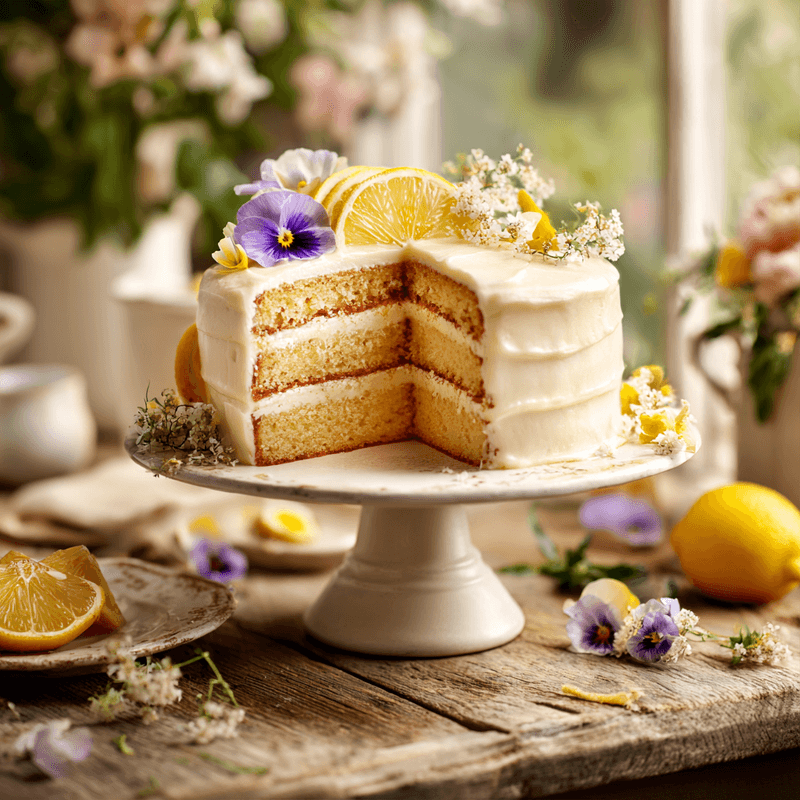
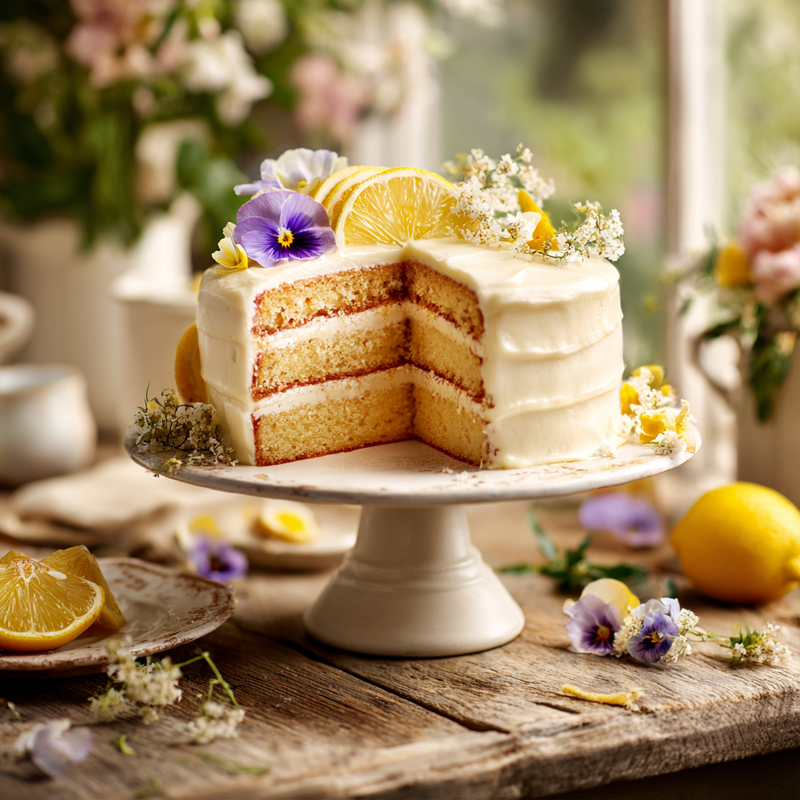
Now that we've covered the foundations, let me walk you through ten distinct spring cake ideas that showcase different techniques, flavors, and decorating styles. The first idea centers on a classic lemon layer cake with cream cheese frosting—this combination never fails to impress with its perfect balance of sweet and tart, and the bright yellow color naturally evokes spring sunshine. Layer moist lemon cake with tangy frosting, then decorate with fresh lemon slices, candied lemon peel, or delicate buttercream flowers in pale yellow and white.
The second idea explores chocolate with fresh strawberries, a pairing that feels both indulgent and seasonally appropriate. Rich chocolate layers filled with strawberry preserves and frosted with chocolate buttercream, then topped with fresh strawberry halves and chocolate shavings, create visual drama and satisfy chocolate lovers while incorporating fresh fruit. This cake demonstrates how spring celebrations can embrace deeper, richer flavors when balanced with bright, fresh elements.
Third on the list is a coconut cake that transports you to tropical springs with its snowy appearance and exotic flavor. Multiple layers of vanilla cake brushed with coconut milk simple syrup, filled with coconut pastry cream, and frosted with fluffy coconut buttercream before being completely covered in shredded coconut create a stunning all-white presentation perfect for elegant gatherings.
The fourth idea celebrates floral flavors with a rose and pistachio creation. Delicate vanilla cake infused with rose water, layered with pistachio buttercream, and decorated with candied rose petals and chopped pistachios offers sophisticated flavors that surprise and delight guests. The pale pink and green color scheme screams spring without being overly sweet or one-dimensional.
Fifth, consider a carrot cake that elevates this classic to new heights. Moist layers studded with carrots, toasted walnuts, and warming spices like cinnamon and cardamom, filled and frosted with tangy cream cheese frosting, then decorated with marzipan carrots or fresh flowers, brings rustic charm and deep, satisfying flavors to your spring table.
The sixth idea features a lemon-blueberry combination that captures spring in every bite. Tender lemon cake dotted with fresh blueberries, layered with lemon curd and blueberry compote, then frosted with vanilla buttercream and topped with fresh berries and lemon zest, offers beautiful color contrast and complex flavor layers.
Seventh, a vanilla bean cake with raspberry filling provides elegant simplicity. Real vanilla bean paste or scraped vanilla pods create flecked, aromatic cake layers, while tart raspberry preserves cut through sweet vanilla buttercream, and fresh raspberries crown the top for a classic presentation that never goes out of style.
The eighth idea ventures into citrus variety with an orange and almond cake. Ground almonds replace some flour for exceptional moisture and subtle nuttiness, orange zest and juice perfume both cake and frosting, and candied orange slices or fresh orange segments provide stunning decoration with intense citrus flavor.
Ninth, consider a matcha white chocolate cake for something visually striking and uniquely flavored. Matcha powder tints cake layers a beautiful natural green while adding earthy, slightly bitter notes that balance sweet white chocolate buttercream, and the combination feels both modern and seasonally appropriate.
Finally, the tenth idea celebrates simple perfection with a classic vanilla layer cake decorated to showcase spring's beauty. Sometimes the most impressive cakes aren't about exotic flavors but rather about executing fundamentals flawlessly—perfectly level layers, silky smooth frosting, and masterful decoration with fresh flowers, berries, or intricate buttercream work transform a simple vanilla cake into an unforgettable centerpiece.
Each of these spring cake ideas offers different challenges and rewards, allowing you to choose based on your skill level, available time, and flavor preferences. What they share is the potential to become the memorable highlight of your gathering, the dessert people photograph and talk about long after the last crumb disappears. The techniques you'll develop while mastering these cakes—proper creaming methods, smooth frosting application, flavor balancing, and decorative skills—will serve you throughout your baking journey. Remember that even experienced bakers encounter setbacks, and each cake you create teaches you something new about ingredients, techniques, and your own preferences. Don't be discouraged if your first attempt doesn't match your vision—with practice and patience, you'll develop the confidence and skills to execute any of these ideas beautifully. The joy of presenting a homemade cake to loved ones, watching their faces light up at the sight of your creation, makes every minute of effort worthwhile. Whether you choose a simple vanilla cake adorned with fresh flowers or tackle an ambitious multi-layer creation with complex flavors and decorations, you're participating in a timeless tradition of celebrating life's special moments with handcrafted sweetness. These spring cake ideas represent more than just recipes—they're opportunities to express creativity, share love, and create delicious memories around your table.
Classic Spring Lemon Layer Cake
A bright and beautiful lemon layer cake with tangy cream cheese frosting, perfect for spring gatherings and celebrations.
Prep Time
30 min
Cook Time
35 min
Total Time
2h 15m
Servings
12 servings
Ingredients
For 12 servings
- 3 cups cake flour, spooned and leveled
- 2 1/2 teaspoons baking powder
- 1/2 teaspoon salt
- 1 cup unsalted butter, softened to room temperature
- 2 cups granulated sugar
- 4 large eggs, at room temperature
- 1 tablespoon pure vanilla extract
- 1/4 cup fresh lemon juice
- 2 tablespoons lemon zest (from about 2 lemons)
- 1 cup whole milk, at room temperature
- 16 ounces cream cheese, softened to room temperature
- 1 cup unsalted butter, softened, for frosting
- 6 cups powdered sugar, sifted
- 2 teaspoons pure vanilla extract, for frosting
- 3 tablespoons fresh lemon juice, for frosting
- 1 tablespoon lemon zest, for frosting
- Fresh lemon slices, for decoration
- Fresh berries, optional for decoration
Instructions
- 1
Prepare pans and oven
Preheat your oven to 350°F (175°C). Grease three 9-inch round cake pans with butter or cooking spray, line the bottoms with parchment paper rounds, then grease the parchment. Lightly dust with flour and tap out excess. This ensures easy cake release after baking.
- 2
Mix dry ingredients
In a medium bowl, whisk together the cake flour, baking powder, and salt until well combined. Set this mixture aside. Proper mixing of dry ingredients ensures even distribution of leavening agents throughout your batter.
- 3
Cream butter and sugar
In a large mixing bowl using an electric mixer, beat the softened butter and granulated sugar together on medium-high speed for 4-5 minutes until the mixture becomes pale, fluffy, and nearly doubles in volume. This creaming process incorporates air that helps create a light, tender cake texture.
- 4
Add eggs and flavorings
Add eggs one at a time to the butter mixture, beating well after each addition until fully incorporated. Mix in the vanilla extract, lemon juice, and lemon zest until combined. The mixture may look slightly curdled after adding lemon juice, but this is normal and will come together when you add the flour.
- 5
Combine wet and dry
With the mixer on low speed, add the flour mixture in three additions, alternating with the milk in two additions, beginning and ending with flour. Mix just until the ingredients are combined and no streaks of flour remain. Finish by gently folding the batter with a spatula to ensure everything is incorporated without overmixing.
- 6
Bake the layers
Divide the batter evenly among the three prepared pans, smoothing the tops with a spatula. Bake for 28-35 minutes, rotating pans halfway through, until a toothpick inserted in the center comes out with just a few moist crumbs and the cake springs back when gently pressed. Allow cakes to cool in pans for 15 minutes, then turn out onto wire racks to cool completely before frosting.
- 7
Make cream cheese frosting
In a large bowl, beat the softened cream cheese and butter together on medium speed until smooth and creamy, about 2-3 minutes. Gradually add the sifted powdered sugar one cup at a time, beating on low speed until incorporated, then increase to medium-high and beat for 2 minutes until fluffy. Mix in vanilla extract, lemon juice, and lemon zest until well combined.
- 8
Level and prepare layers
Once cakes are completely cool, use a long serrated knife or cake leveler to trim any domed tops, creating flat, even layers. Brush off any loose crumbs. Place your first layer on a cake stand or serving plate, securing it with a small dollop of frosting underneath to prevent sliding.
- 9
Assemble the cake
Spread about one cup of frosting evenly over the first cake layer, leaving a small border around the edge. Place the second layer on top, pressing gently to adhere, and repeat with another cup of frosting. Top with the third layer, bottom-side up for a flat top surface.
- 10
Apply crumb coat
Spread a thin layer of frosting over the entire cake, covering all sides and the top. This crumb coat will seal in any loose crumbs. Refrigerate the cake for 30 minutes to firm up the frosting, making the final coat much easier to apply smoothly.
- 11
Final frosting layer
Once the crumb coat is firm, apply the remaining frosting in a thicker, final layer, using an offset spatula or bench scraper to smooth the sides and top. Work in sections, adding more frosting as needed. For perfectly smooth sides, hold your bench scraper at a 90-degree angle while rotating the cake stand.
- 12
Decorate and serve
Garnish the top of your cake with fresh lemon slices, additional lemon zest, or fresh berries as desired. Refrigerate the finished cake for at least one hour to set the frosting before slicing. Remove from refrigerator 30-60 minutes before serving to bring to room temperature for best flavor and texture. Store covered in the refrigerator for up to 5 days.
Nutrition Facts
Per serving (estimated)
685 calories
Calories
92g
Carbs
7g
Protein
33g
Fat
1g
Fiber
285mg
Sodium
72g
Sugar